As co-founder of Foli Sim, I understand the importance of knowing what to expect after a hair transplant. Many of our clients come to us after exploring all options for hair restoration. It’s essential to have realistic expectations and be well-informed about the recovery process.
Immediate Post-Op Period
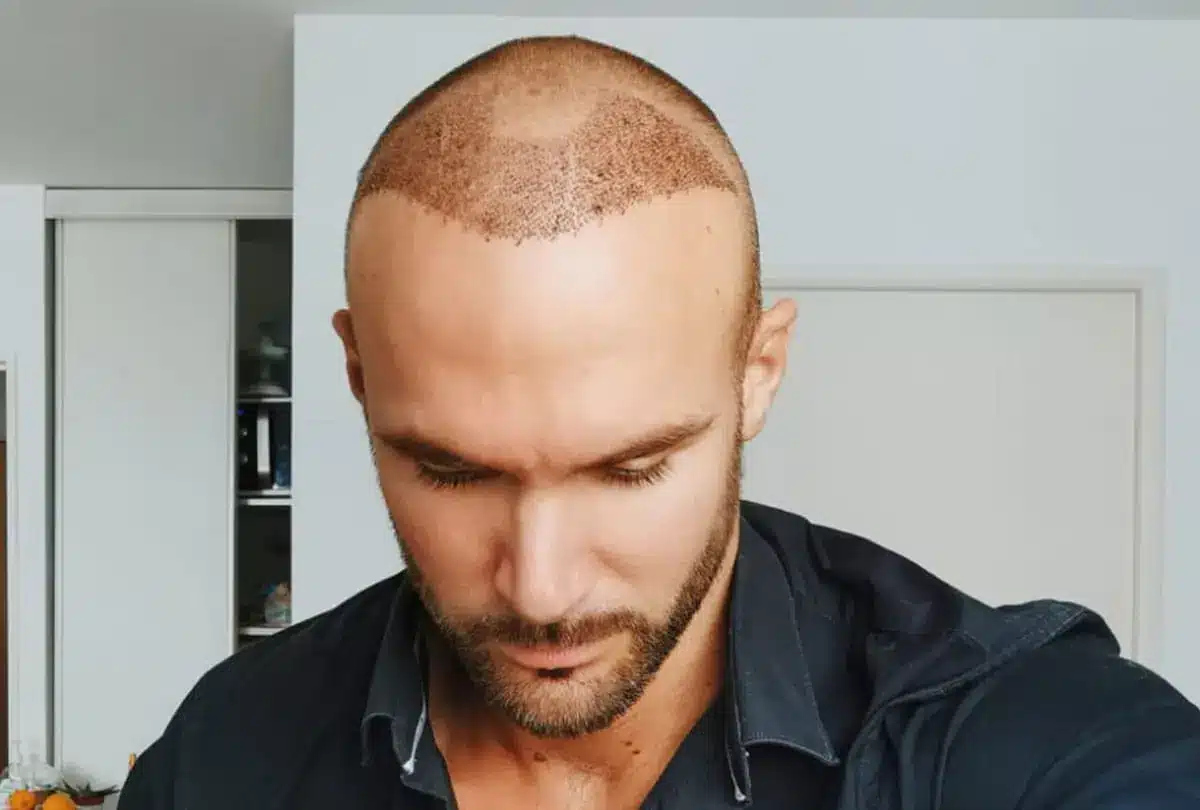
Immediately following your hair transplant in Sydney, the initial healing phase begins. This period typically lasts between 7 to 14 days. Directly after the procedure, you’ll notice some redness and swelling in both the donor and recipient areas.
Mild discomfort is normal. Pain medication, usually over-the-counter options, can help manage this. It’s crucial to follow your surgeon’s specific aftercare instructions to minimise complications.
At Foli Sim, we always emphasise the importance of gentle care during this early stage. This includes how to wash your hair and protect the newly transplanted grafts.
The First Two Weeks
During the first two weeks, scabs will form on the recipient area. With Follicular Unit Transplantation (FUT), expect stitches that need removal around 10-14 days post-op. Follicular Unit Extraction (FUE) scabs usually clear a little sooner.
It’s crucial to avoid strenuous activities during this time. Increased blood flow to the scalp can disrupt the healing process and affect graft survival.
Gentle washing is important, following the specific instructions given by your clinic. Avoid direct sunlight exposure to the scalp.
The Shedding Phase
Around 2 to 8 weeks after the transplant, you’ll likely experience a shedding phase. This is temporary. The transplanted hairs fall out as the follicles enter a resting phase.
Don’t be alarmed. This is a normal part of the process. The follicles remain, and new hair growth will begin in the coming months.
Months 3 to 6: New Growth Begins
New hair growth typically starts around 3 to 4 months post-transplant. At this stage, you’ll notice small hairs emerging from the transplanted follicles. Growth will be gradual.
Patience is vital during this period. The initial growth might appear thin or uneven. Over time, the hair will thicken and blend more naturally with your existing hair.
Months 6 to 12: Continued Improvement
From 6 to 12 months, you’ll see continued improvement in hair density and thickness. The transplanted hair will mature and become more like your natural hair.
Regular follow-up appointments with your surgeon are important. They can assess your progress and address any concerns you may have.
12 Months and Beyond: Final Results
Final results from a hair transplant are typically visible around 12 to 18 months after the procedure. FUT results tend to be evident by 12-15 months.
FUE results in the crown area may take up to 18 months. By this point, the transplanted hair should be well-established, providing a natural and fuller appearance.
Factors Affecting Recovery
Several factors can affect the hair transplant recovery timeline. These include the type of procedure (FUT or FUE), individual healing capabilities, and adherence to aftercare instructions.
Smoking and certain medical conditions can slow down healing. A healthy lifestyle and proper nutrition can positively influence the recovery process.
The skill and experience of the surgical team also play a significant role. Choosing a reputable clinic with experienced surgeons is essential for optimal results.
Non-Surgical Options
At Foli Sim, we specialise in scalp micropigmentation (SMP). This is a non-surgical alternative that creates the illusion of a fuller head of hair.
SMP can be an excellent option for those who may not be suitable candidates for a hair transplant. It’s also a great way to add density after a hair transplant.
Making an Informed Decision
Choosing a hair restoration method is a personal decision. It’s important to consider all available options and choose the one that best suits your individual needs and goals.
Whether you opt for a hair transplant or explore non-surgical solutions like SMP, being well-informed is key to achieving the results you desire. We are here to provide balanced guidance.
If you’re considering a hair transplant in Sydney, I encourage you to consult with a qualified surgeon. Discuss your expectations, understand the recovery process, and make an informed decision that you feel confident about.
Frequently asked questions
What should I expect immediately after a hair transplant?
I explain that the initial healing phase begins immediately after the procedure. Redness and swelling may appear in both the donor and recipient areas, and mild discomfort is normal. Pain medication, usually over-the-counter options, can help manage this. I also emphasise following the surgeon’s specific aftercare instructions to minimise complications.
How should I care for my scalp during the first two weeks?
I recommend gentle care during the early healing stage, including following your clinic’s specific instructions for washing your hair and protecting the newly transplanted grafts. You should avoid strenuous activities and direct sunlight exposure to the scalp, because increased blood flow can disrupt healing and affect graft survival.
Is shedding normal after a hair transplant?
I explain that shedding between around 2 and 8 weeks after a transplant is temporary and normal. The transplanted hairs fall out as the follicles enter a resting phase, but the follicles remain. New hair growth will begin in the coming months, so this stage should not cause alarm.
When will new hair growth start?
I explain that new hair growth typically starts around 3 to 4 months after the transplant. Small hairs may emerge from the transplanted follicles, but growth is gradual. The initial growth can appear thin or uneven, then the hair should thicken and blend more naturally with existing hair over time.
When can I expect to see the final transplant results?
I explain that continued improvement in hair density and thickness usually occurs from 6 to 12 months. Final results are typically visible around 12 to 18 months. FUT results tend to be evident by 12 to 15 months, while FUE results in the crown area may take up to 18 months.
What factors can affect my hair transplant recovery timeline?
I explain that recovery can be affected by whether the procedure is FUT or FUE, individual healing capabilities and adherence to aftercare instructions. Smoking and certain medical conditions can slow healing, while a healthy lifestyle and proper nutrition may positively influence recovery. The surgical team’s skill and experience also matter.