
SMP for Alopecia
SMP for alopecia is a cosmetic option, not a medical treatment: pigment placed in the scalp creates the appearance of follicles where hair no longer grows. This page explains what scalp micropigmentation can realistically achieve for alopecia areata, totalis and universalis, when it is worth waiting, and how it fits alongside dermatology-led care.
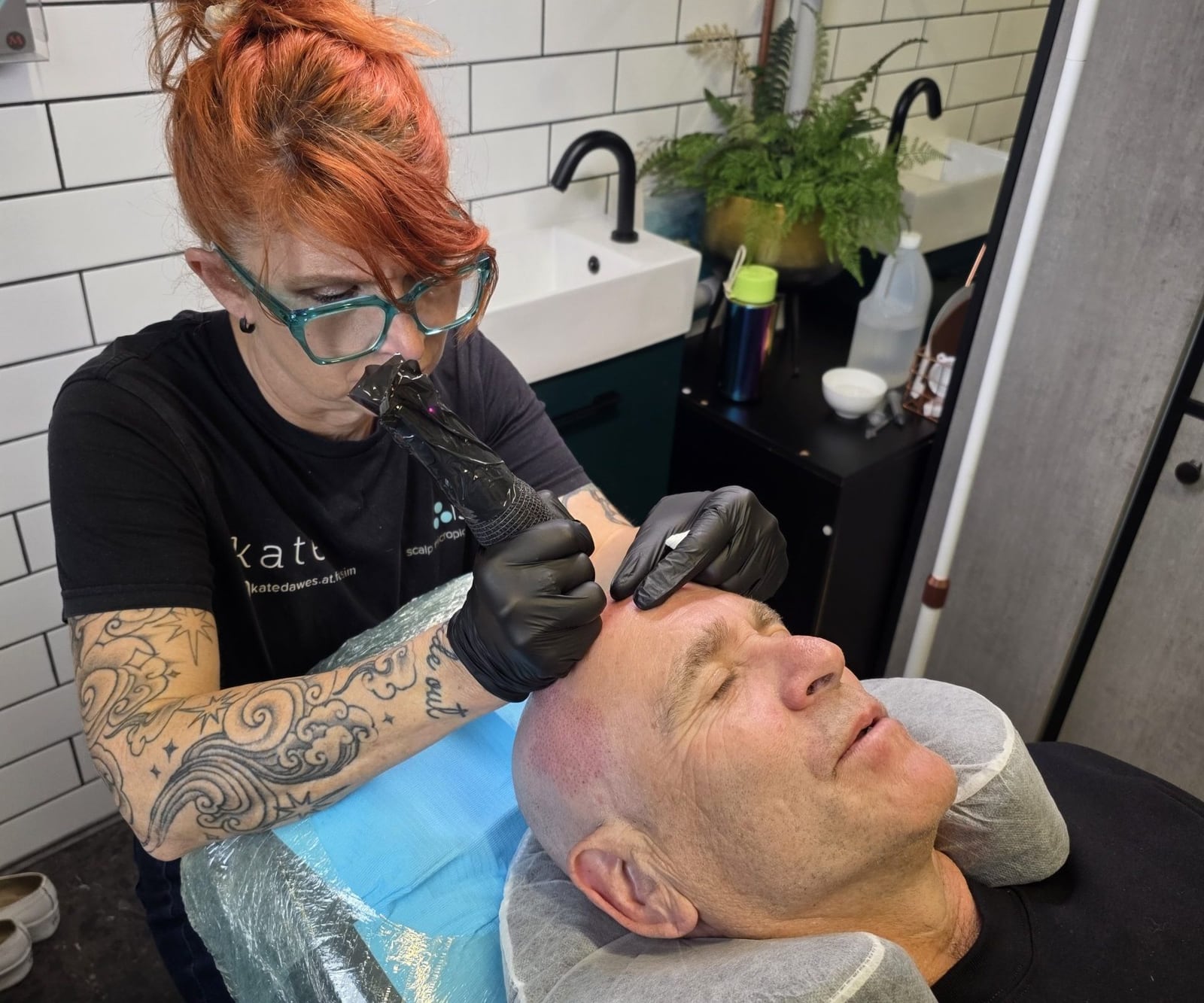
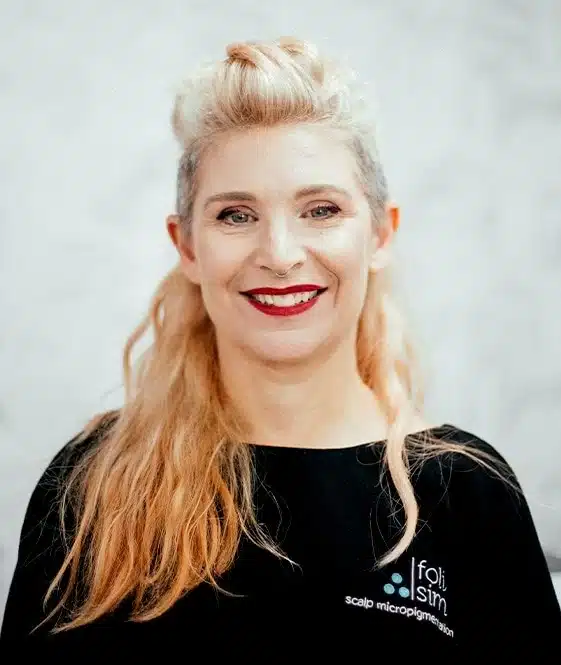 Reviewed by Kate Dawes, Co-Founder & Managing Director, Foli Sim; Trichologist (IAT), 30+ years in hair loss · Last reviewed September 2026
Get the facts about treatments for your alopecia
When facing alopecia, seeking proper diagnosis is your crucial first step. Different types of alopecia require specific treatments, so consult a dermatologist before trying any solution. Be wary of products promising miracle results, as treatments vary in effectiveness depending on your particular condition.
For alopecia areata, the most common form of alopecia, some cases resolve naturally within months, while others require medical intervention like corticosteroids or immunotherapy. Pattern hair loss may respond to minoxidil or prescription medications, but results aren’t guaranteed and require ongoing use.
Always research treatment credentials and look for Australian-approved options with scientific backing.
When seeking alopecia treatment in Australia, your first step should be getting a proper diagnosis from a dermatologist, as different types require specific approaches.
For alopecia areata, treatment options include topical corticosteroids, intralesional injections, and immunotherapy. Many cases resolve naturally within a year.
For pattern hair loss, minoxidil is available over-the-counter, while prescription medications like finasteride for men and spironolactone for women may be effective.
Newer treatments include JAK inhibitors like Baricitinib and Platelet-Rich Plasma therapy. These can be effective but results vary significantly between individuals. Be wary of miracle cures and exaggerated marketing claims. Look for treatments with scientific backing and TGA approval.
Consider psychological support alongside medical treatment, as hair loss often carries significant emotional impact.
Scalp micropigmentation may also be a good option. More on this later where we discuss SMP as a possibility in more detail.
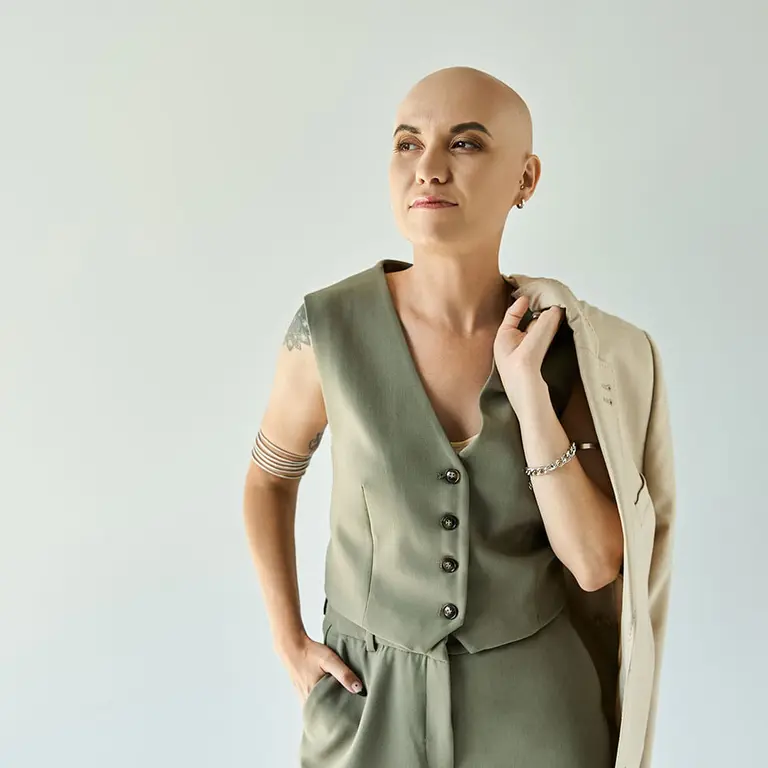
Consultation with an alopecia specialist
When first connecting with an alopecia consultant, expect a thorough assessment beginning with a detailed discussion of your hair loss history. During your initial consultation, your consultant will review your medical history, medications, family history of hair loss, lifestyle factors and previous treatments you’ve tried.
A physical examination follows where they examine affected areas using specialised equipment like a dermatoscope that magnifies your scalp and hair follicles. Your consultant may recommend blood tests to check for underlying causes such as thyroid issues, vitamin deficiencies or hormonal imbalances that could be contributing to your hair loss. In some cases, a small scalp biopsy might be needed to determine the specific type of alopecia and rule out other conditions.
After gathering all necessary information, your consultant will discuss whether your condition is temporary or potentially permanent and outline appropriate treatment options.
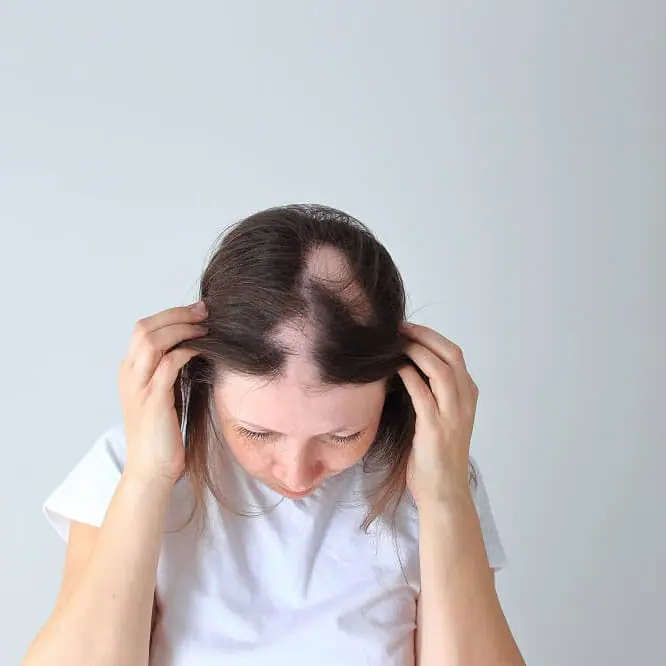
The treatment process
Treatment plans are individualised based on your specific type of alopecia, severity, and personal health factors. A good consultant will consider your age, medical history, previous treatments and how long you’ve been experiencing hair loss when designing your plan.
Every person’s hair loss journey is unique, requiring a customised approach rather than a one-size-fits-all solution. Your alopecia consultant will also take into account your lifestyle, stress levels and nutritional status as these can significantly impact treatment outcomes.
Options might include topical treatments like minoxidil, oral medications, corticosteroid injections, JAK inhibitors, or immunotherapy depending on your diagnosis. For androgenetic alopecia, hormone-blocking medications may be appropriate, while alopecia areata often responds to immunomodulating therapies.
The severity of your condition determines whether they recommend combination therapies or single treatments. You should always discuss potential side effects and the realistic timeline for seeing results with each option.
Follow-up appointments monitor your progress and allow for treatment adjustments, with most clinics offering complementary follow-ups within the first year. These check-ins are crucial as many treatments require time to show effectiveness.
During follow-ups, they will document changes with clinical photography, measure hair density, and discuss any concerns you’re experiencing. Your feedback is essential for refining your treatment approach to achieve the best possible outcome.
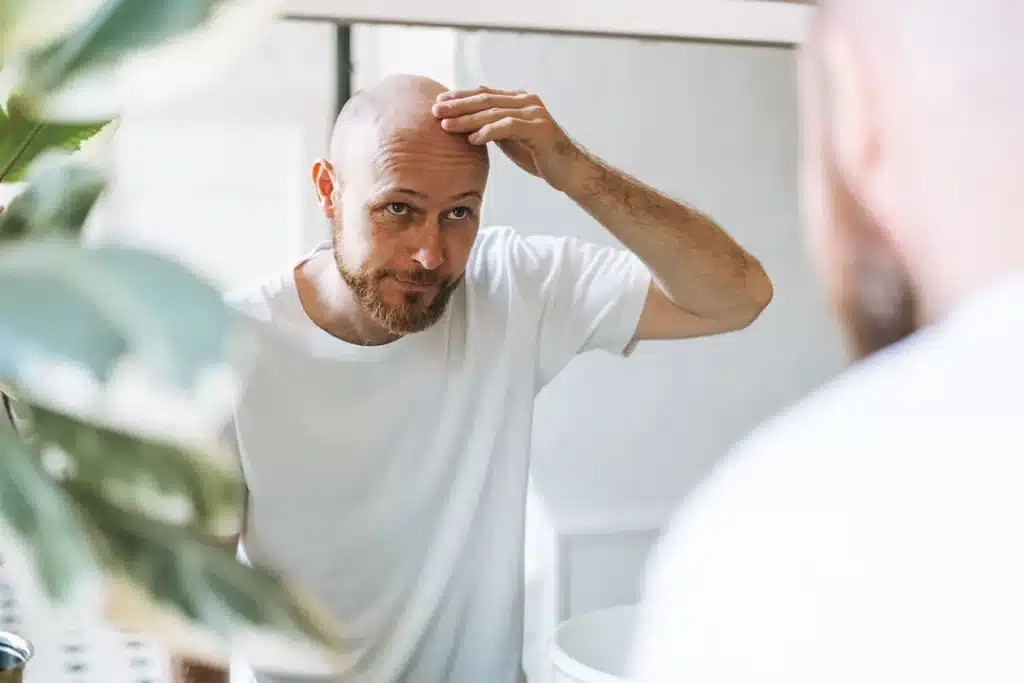
The Importance of a Tailored Approach
When dealing with hair loss, a personalised approach is essential. Different types of alopecia respond to different treatments, making individualised care critical for success.
A specialist should take time to understand your complete hair loss history, examining your scalp and considering factors like genetics, lifestyle, medications and nutrition. Quality consultations involve microscopic examination of your scalp and follicles, and may include blood tests to identify underlying causes such as hormonal imbalances or deficiencies.
After thorough assessment, your specialist should clearly explain your condition and outline appropriate treatment options based on your specific diagnosis.
For a fact-finding consultation, I welcome you to Foli Sim. As a registered member of the International Association of Trichologists with over 30 years in the hair industry, I specialise in both male and female hair loss solutions.
My approach combines trichology expertise with artistic skill to provide informed, realistic options for your individual needs.
How is SMP for alopecia planned across different patterns?
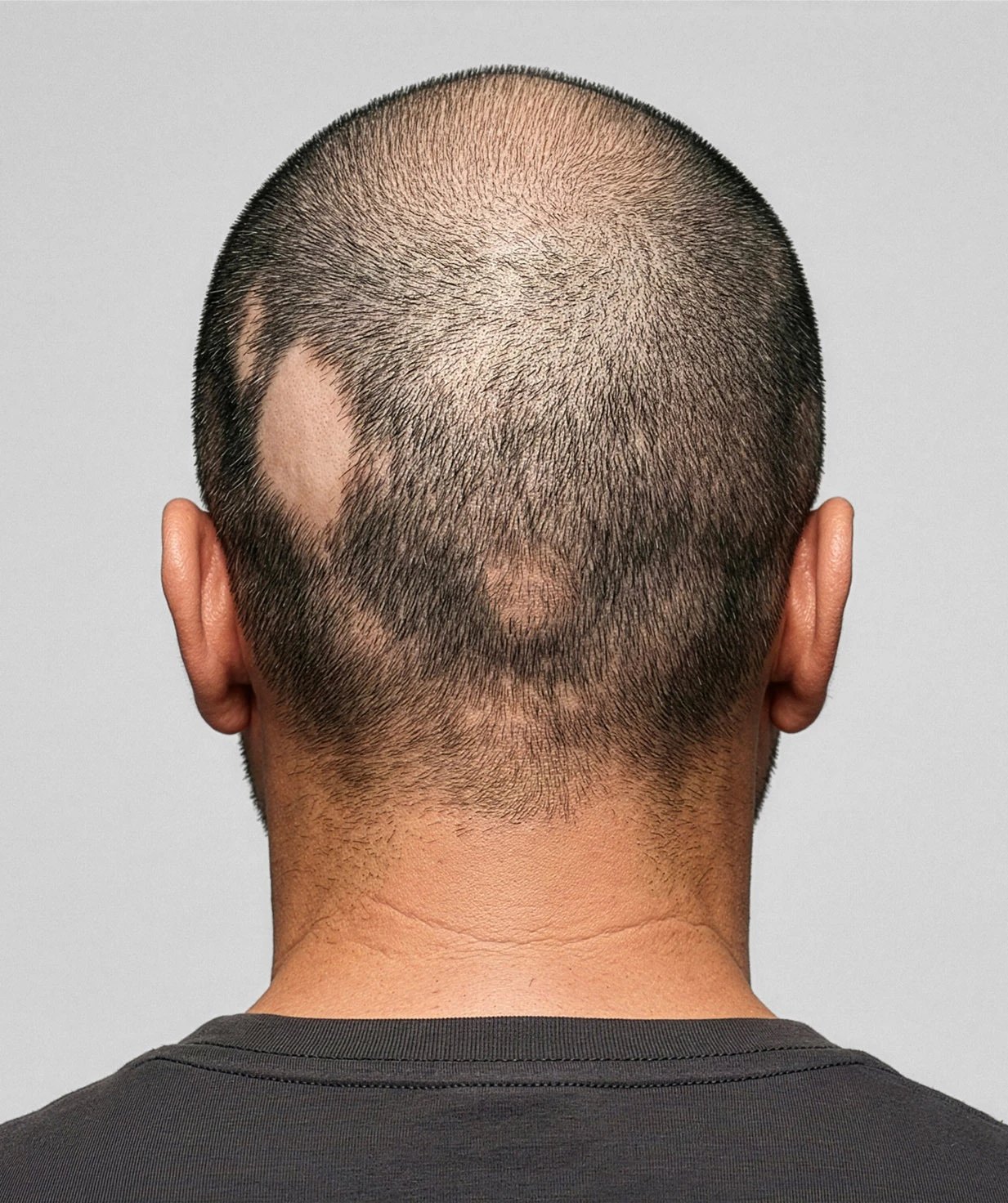
No two cases of alopecia arrive with the same map, so SMP for alopecia starts with a plan rather than a needle. Your artist marks where hair is missing, thinning and sound, then decides how pigment should sit in each zone. The pattern sets the approach.
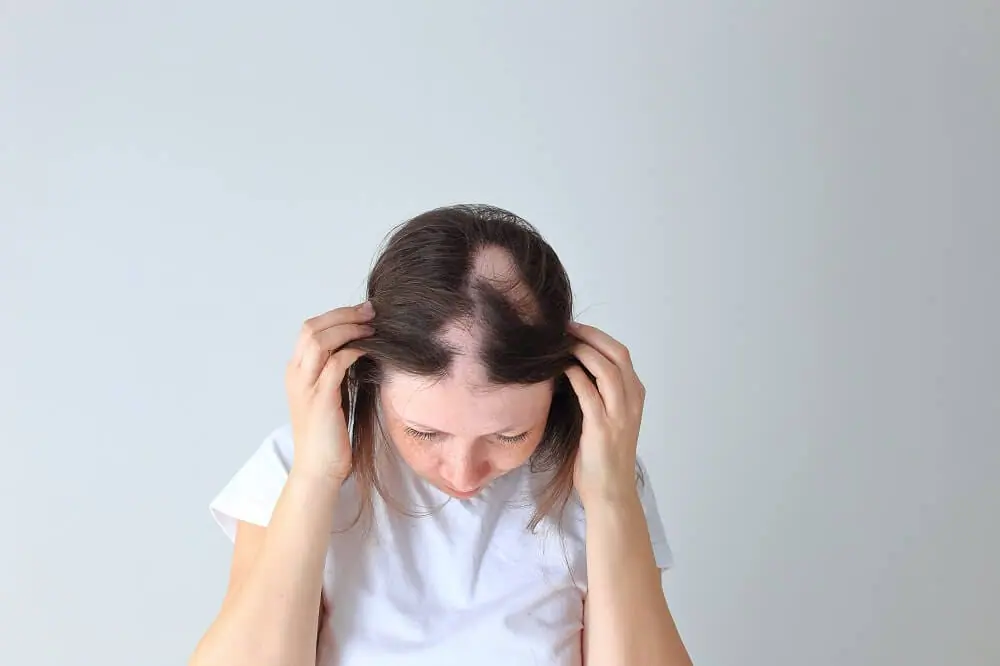
- Alopecia areata: each patch is mapped on its own and the shade matched to the hair around it.
- Alopecia totalis: the whole scalp is designed as one piece, hairline to nape, with a shade chosen to suit you.
- Scarring alopecia: scar tissue accepts pigment unevenly, so it is treated like any other scar camouflage, often with extra passes.
- Traction alopecia: the work concentrates on the front line and temples, rebuilding a soft edge rather than filling a wide area.
Before anything is committed to skin, a free SMP simulation shows the proposed hairline and coverage, so you can weigh the design at leisure rather than in the chair. Bring your questions to the consultation and we will go through it line by line.
Why does a trichologist's assessment matter before SMP?
SMP places pigment in skin, so the condition of that skin and the behaviour of the hair around it matter as much as artistry. Kate Dawes, our co-founder, is a trichologist registered with the International Association of Trichologists with more than thirty years in the hair industry, which changes the questions asked at consultation.
The question is not only where pigment should go but whether now is the time to place it. A trichologist's eye helps judge whether a pattern looks settled or still on the move, whether the scalp is in a suitable condition for pigment, and when a dermatologist should be seen first. If that is the honest answer we say so, and SMP for alopecia remains open once the time is right.

Regrowth, fading and touch-ups with SMP for alopecia
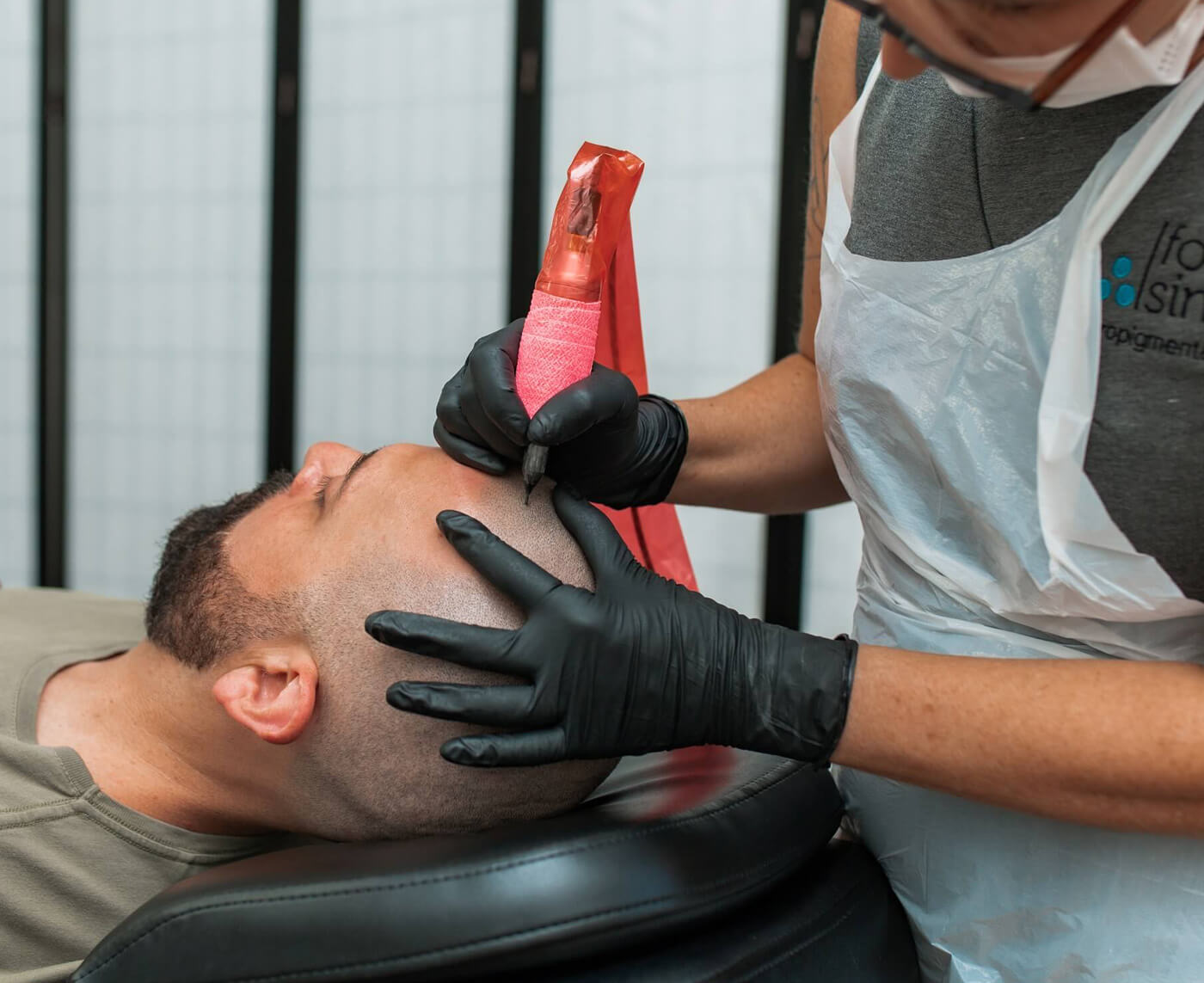
Alopecia rarely stands still, and a good plan allows for that. Like all scalp micropigmentation, the result is long-lasting rather than fixed for life: it softens gradually over the years and a touch-up session brings it back. Most alopecia work takes more than one session anyway, so returning will feel familiar.
Two situations are particular to alopecia. If a new patch opens after treatment, as alopecia areata can do, coverage can be extended at a later visit in the same shade so it reads as part of the whole. If hair returns where we have worked and you want to keep it, there is nothing to undo; the pigment sits beneath the regrowth. Come back and let us look rather than guess.
Frequently asked questions
There are several types of alopecia including androgenetic alopecia (pattern baldness), alopecia areata (patches of hair loss), telogen effluvium (temporary shedding), traction alopecia (from hair pulling), and scarring alopecias.
Each type has different causes and treatment approaches. Androgenetic alopecia is hormone-related, while alopecia areata is autoimmune. Proper diagnosis is essential before starting any treatment.
The right treatment depends on your specific type of alopecia, pattern of hair loss, and medical history. What works for one person may not work for another.
I recommend consulting with a dermatologist or trichologist who can properly diagnose your condition. They’ll consider factors like the progression of your hair loss, family history, and any underlying health conditions before recommending treatments.
Medicare generally doesn’t cover cosmetic treatments for hair loss, but may cover consultations and treatments if hair loss is related to a medical condition.
Private health insurance coverage varies significantly between providers and policies. Some may offer partial coverage for certain treatments when medically necessary. I suggest checking with your specific insurance provider about what’s covered under your policy.
Most hair loss treatments require at least 3-6 months of consistent use before you’ll notice significant results. Hair grows approximately 1cm per month on average.
Patience is crucial when treating alopecia. Some treatments like minoxidil might cause temporary increased shedding before new growth appears. Regular progress photos can help you track subtle changes that might not be immediately obvious.
Medications like finasteride can cause decreased libido, erectile dysfunction, or depression in some men. These effects typically resolve when treatment stops.
Minoxidil may cause scalp irritation, unwanted facial hair growth, or initial increased shedding. Corticosteroids can lead to skin thinning with prolonged use. Each medication has a different side effect profile worth discussing with your doctor.
Nutritional deficiencies in iron, zinc, biotin, and protein can contribute to hair loss. Addressing these through diet or supplements may help improve hair health.
Stress management, regular exercise, and adequate sleep can also positively impact hair growth cycles. However, these lifestyle factors are generally supportive measures rather than primary treatments for genetic or autoimmune hair loss conditions.
Treatment costs vary widely. Prescription medications might cost $50-150 monthly. PRP treatments range from $400-800 per session, with multiple sessions required.
Low-level laser therapy devices cost between $500-3000 as a one-time purchase. Ongoing dermatologist consultations typically cost $150-300 per visit, with potential Medicare rebates. Some treatments require lifelong use, affecting long-term costs.
Research on natural remedies is limited. Some studies suggest rosemary oil may be comparable to minoxidil for certain types of hair loss. Saw palmetto may help with pattern baldness.
However, natural doesn’t always mean safer or more effective. I recommend approaching natural remedies with realistic expectations and ideally discussing them with your healthcare provider to ensure they won’t interfere with other treatments.
Dermatologists are medical doctors specialising in skin, hair and nail conditions. They can prescribe medications and perform procedures like biopsies or injections.
Trichologists specialise specifically in hair and scalp health but typically aren’t medical doctors. They often focus on non-medical approaches and hair care. For comprehensive treatment, sometimes working with both provides complementary perspectives.
Stress can trigger or worsen certain types of alopecia, particularly telogen effluvium and possibly alopecia areata. The body’s stress response can push hair follicles into a resting phase.
While stress management techniques like meditation, exercise, and therapy may help prevent stress-related hair loss, they typically won’t reverse genetic pattern baldness. For stress-induced shedding, hair often regrows naturally once the stressor is addressed.
Be sceptical of products promising dramatic results quickly or claiming to work for all types of hair loss. Legitimate treatments typically have modest, gradual effects.
Look for products with published clinical studies in reputable medical journals. Check if they’re approved by Australia’s Therapeutic Goods Administration. Be wary of before/after photos that appear manipulated or testimonials that seem too good to be true.
For androgenetic alopecia, most treatments like minoxidil and finasteride only work while you’re using them. Discontinuing treatment typically leads to returning to your natural hair loss progression.
Treatments for autoimmune alopecia like alopecia areata may potentially be stopped after remission, though relapses can occur. Each case is unique, and your treatment plan may evolve as your condition and needs change.
Normal shedding involves losing 50-100 hairs daily spread evenly across the scalp. These hairs are typically full-length with a white bulb at the end.
With alopecia, you might notice pattern thinning, distinct bald patches, excessive shedding beyond normal limits, or broken hairs. Changes in hair texture, scalp inflammation, or itching can also indicate a problem requiring professional evaluation.
Women can use minoxidil, but the prescription medication finasteride is generally not recommended for women of childbearing age due to potential birth defects.
Women may benefit from treatments addressing hormonal factors like spironolactone or birth control pills. Diagnosis for women is often more complex, potentially involving hormone panels and addressing thyroid issues or iron deficiency that may contribute to hair loss.
AK inhibitors are showing promise for alopecia areata, with Olumiant (baricitinib) recently approved in Australia. Exosome therapy and stem cell treatments are emerging options.
Research into Wnt pathway activators for pattern baldness is ongoing. Hair cloning technologies are in development but not yet commercially available. I recommend following updates from reputable dermatology associations for information on new treatments as they emerge.
During your consultation, I’ll take a detailed medical history and examine your scalp under magnification to assess hair density, follicle health, and scalp condition.
We’ll discuss your hair loss timeline, family history, diet, lifestyle factors, and current hair care routine. I’ll explain your options honestly, including potential results and limitations. At Foli Sim, we provide a supportive environment where all your questions are answered without pressure.
It can work well cosmetically. Pigment is applied across the bald patches and feathered into the surrounding hair so the sharp boundary between skin and hair is softened and the patches become far less obvious. It does not treat the autoimmune condition itself. The main consideration is stability: patches that are actively appearing and resolving make it harder to plan a lasting result, which we will discuss with you honestly.
Yes, and in some ways complete loss is more straightforward to plan than patchy loss, because there is no existing hair to match and no changing pattern to work around. The artist creates an even follicle pattern across the whole scalp and designs a hairline from scratch, giving the appearance of a closely shaved head. Shade and hairline design carry the entire result, so artist experience matters a great deal here.
Regrowth is common in alopecia areata, and it does not ruin the work. The pigment sits in the skin between follicles, so returning hair grows through it normally. Depending on how much regrows and where, the area may look slightly denser than surrounding scalp, which can be rebalanced at a later session. If regrowth is likely in your case, your artist may recommend a lighter initial density.
Often, yes. If patches are actively changing month to month, any pattern applied now may not match your scalp in six months. Where loss has been stable for a reasonable period, or where it is extensive and unlikely to reverse, planning is much more reliable. We would rather advise you to wait than treat at the wrong moment, and we will say so at consultation.
Yes. Where there is no remaining hair to reference, your artist designs the hairline around your face shape, age and how you want to present, mapping it on your scalp and reviewing it with you in the mirror before any pigment is applied. The front edge is deliberately softened and irregular so it reads as natural stubble. A free digital simulation can be prepared beforehand so you can see the proposed shape.
Only its appearance. SMP is a cosmetic procedure that changes how the scalp looks; it does not act on hair follicles, the immune system or the underlying cause of your hair loss, and it will not encourage regrowth. If you have not had a diagnosis, we would strongly encourage you to see a dermatologist first, as different types of alopecia call for very different medical approaches. If you would like a view on the hair loss itself before you decide, contact us: Kate Dawes, our lead artist, is a registered trichologist with the International Association of Trichologists and can advise.
In principle yes, but coordinate it. Treatments such as topical corticosteroids, intralesional injections, minoxidil or JAK inhibitors may change your coverage over the following months, which affects how the SMP should be planned. Some topicals also need to be paused around a session while the scalp heals. Tell your artist exactly what you are using and follow your doctor's advice on whether the scalp is suitable for treatment.
Traction alopecia, caused by prolonged tension from tight styles, typically shows as thinning along the hairline and temples. Where follicles have been permanently damaged and hair will not return, SMP can shade the affected areas and rebuild the appearance of a fuller line. Results are best when the tension has been stopped long enough for the area to stabilise, and we will assess whether that has happened.
In many cases, yes. Where patches are surrounded by healthy hair, the artist parts the hair to reach the scalp and works the pigment into the patch, feathering the edges so there is no visible border. Shaving is only necessary if the loss is extensive enough that a uniformly short overall look gives the better result. Your artist will explain which approach suits your pattern at consultation.
We recommend it. Different types of alopecia require different medical approaches, and a proper diagnosis from a dermatologist tells you whether your loss is likely to be temporary, whether treatment could restore hair, and whether the scalp is in a suitable condition for pigment. SMP will still be available afterwards. Coming to us with a diagnosis in hand also lets us plan the design around your realistic outlook. If you are not sure where to start, contact us first: Kate Dawes, our lead artist, is a registered trichologist with the International Association of Trichologists and can talk you through what to ask.
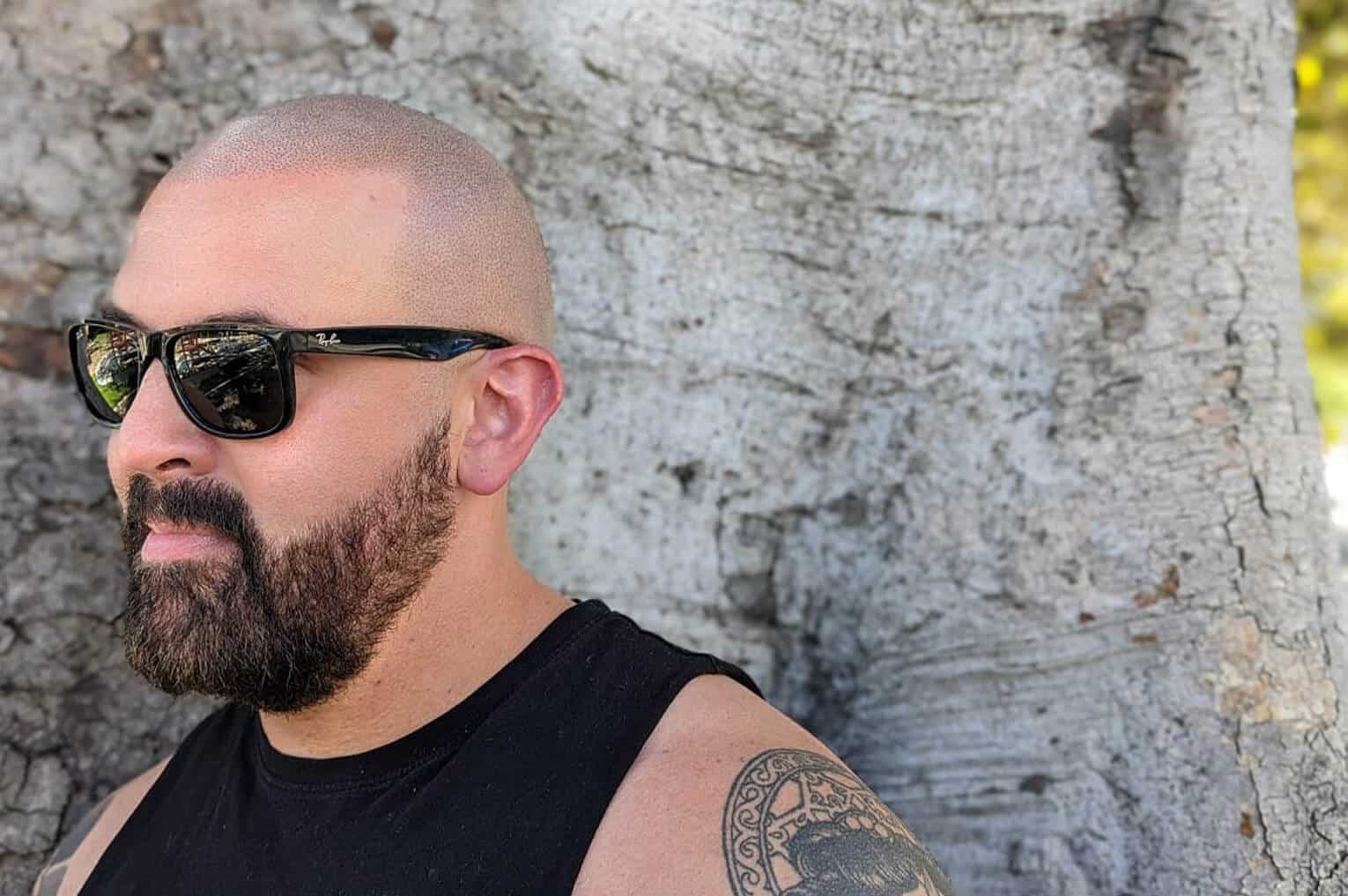
The realistic outcome is the appearance of a closely shaved or evenly stubbled scalp, with a defined hairline and no stark contrast between bare skin and hair. It will not look like grown hair with length, and it will not restore hair you have lost. For many people with extensive alopecia that shift, from patchy and conspicuous to even and deliberate, is the point. A free digital simulation shows you the likely result first.
Explore next
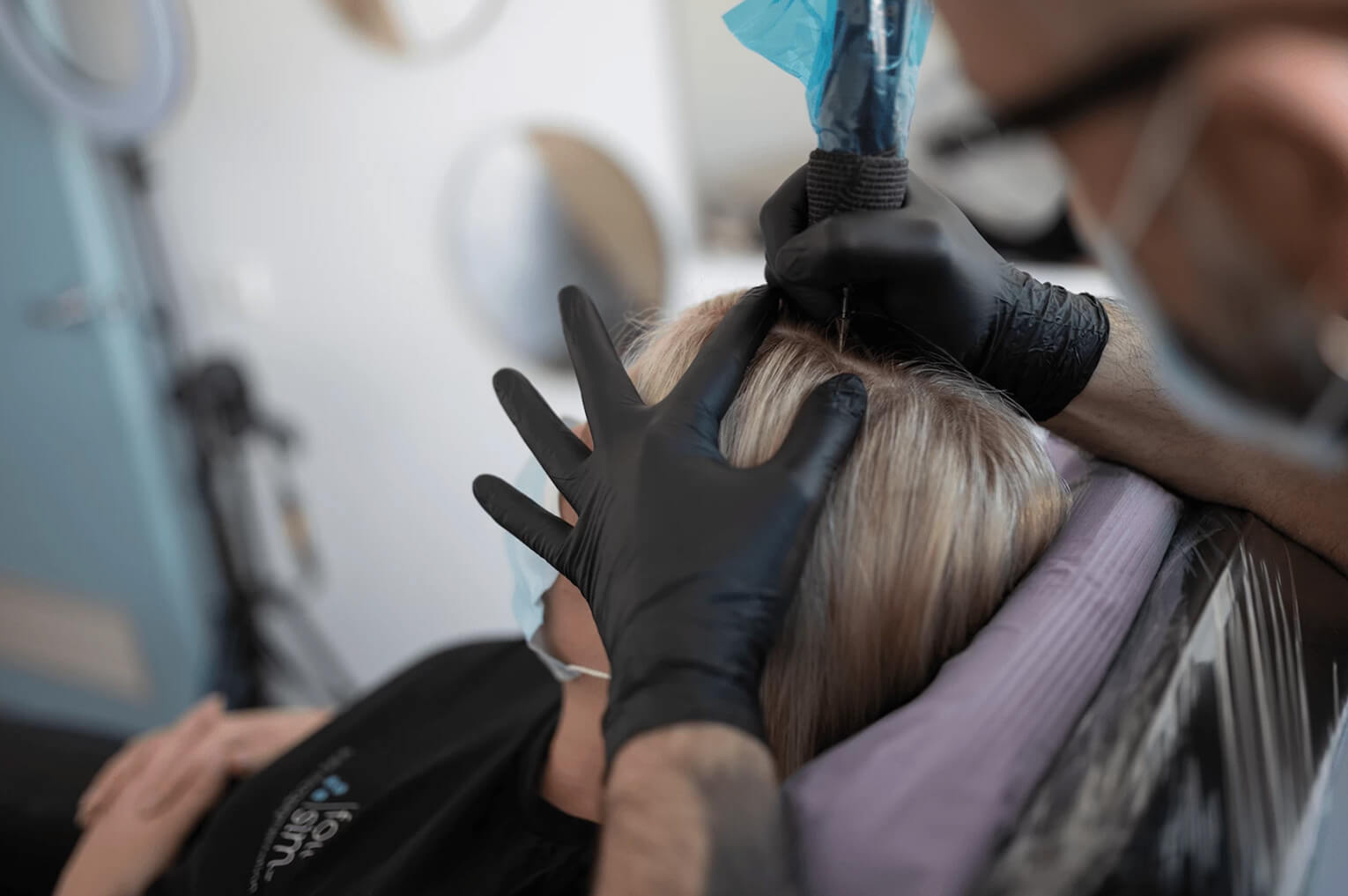
Scalp micropigmentation for women
Scalp micropigmentation for women creates the look of fuller density through thinning hair, with no…
What is scalp micropigmentation
What is scalp micropigmentation? A non-surgical hair tattoo that replicates real follicles.
Scalp micropigmentation before and after
See real scalp micropigmentation before and after photos from Foli Sim: buzz-cut, thinning hair and scar…
Kate Dawes SMP artist
Meet Kate Dawes, Foli Sim's Managing Director, registered trichologist and senior SMP artist in Fremantle…

Scalp micropigmentation cost
What drives scalp micropigmentation cost in Australia: coverage area, number of sessions and scarring.
Book free SMP consultation
Book a free SMP consultation with Foli Sim in Perth, Sydney or Melbourne, in person, by phone or video.

Book a free consultation
Tell us what you are dealing with and we will talk you through whether SMP is right for you, in person at Perth, Sydney or Melbourne, or by phone or video. No obligation, and no pressure.
Call us
1300 668 490Text or WhatsApp
0425 869 926Book online
Request a consultation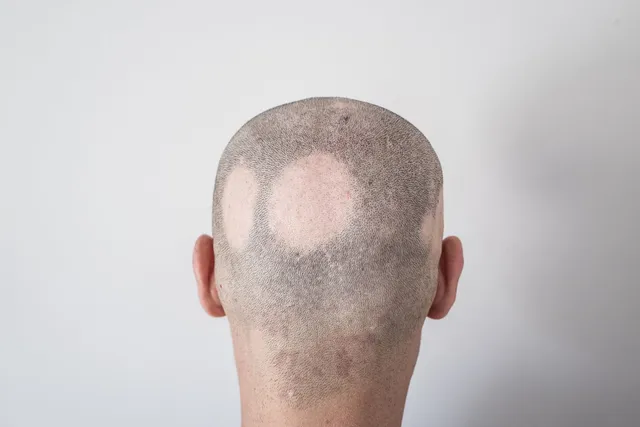
What our clients say
I had my original scalp micropigmentation done by Kelly at the North Melbourne clinic back in 2022, and I’ve been so happy with the results. It made my hair look noticeably thicker right away, and over the years, I’ve had so many people comment on how great and natural it looks. I’m back with Kelly for a touch-up now, and the service and attention to detail are just as top-tier as the first time. Highly recommend Kelly and the Foli Sim team if you're thinking about getting SMP done.
I want to give huge recognition to Shannon for the amazing work and care put in throughout my sessions. Shannon is a true artist with an incredible eye for detail. His professionalism, precision, and reassuring manner made the entire experience comfortable and stress-free. I would highly recommend Shannon and the team at Foli Sim if you are considering SMP.
Had an amazing experience with Nat at the Sydney studio. She made me feel completely comfortable and confident throughout the entire process. Nat is an absolute perfectionist, and the results speak for themselves: everything looks incredibly natural and perfectly tailored to me. Exceptional service from start to finish. For anyone looking for top-tier results, Foli Sim and Nat are the ultimate choice.
Thanks Kelly for a good job done on my SMP. Absolutely recommend Foli Sim. It is a professional service. Kelly is great artist & a nice human being. I wish her all the best for a good life & fulfilling career.
I cannot rate foli sim high enough, Tara did my hair and she absolutely smashed it, not only did we have good banter and laughs while the sessions were going my results speak for themselves! This has changed my life, my confidence!! I’m embarrassed by the before photos, but I can’t not post this to show some female results for Tara ♥️
I underwent a hair transplant that resulted in visible scars on my scalp, and over time, the transplanted hair began to fall out. Subsequently, I chose to shave my head, but the scars from the transplant were prominent, which diminished my confidence. After careful consideration, I contacted Folisim to explore their solutions for my baldness and scarring. Tara and Micheal was my point of contact and thoroughly explained the procedure, including how the scars would be concealed and the results I could expect. She was very patient and supportive throughout the process. As I traveled from a regional town to undergo my SMP treatment, Tara and Michael, were exceptionally accommodating. After the first session, I noticed a significant boost in my confidence as the visible scars on my scalp were effectively masked, giving the appearance of a freshly shaved head with a full head of hair. By the third session, I was amazed to see my original hairline restored so naturally that my colleagues began asking why I was shaving my hair when it appeared so thick and dense. This outcome reflects the high quality of the work Tara provided, which significantly increased my confidence. Had I been aware of Folisim and the SMP procedure earlier, I would have opted against a hair transplant. Overall, I highly recommend Folisim to anyone considering SMP without hesitation.