
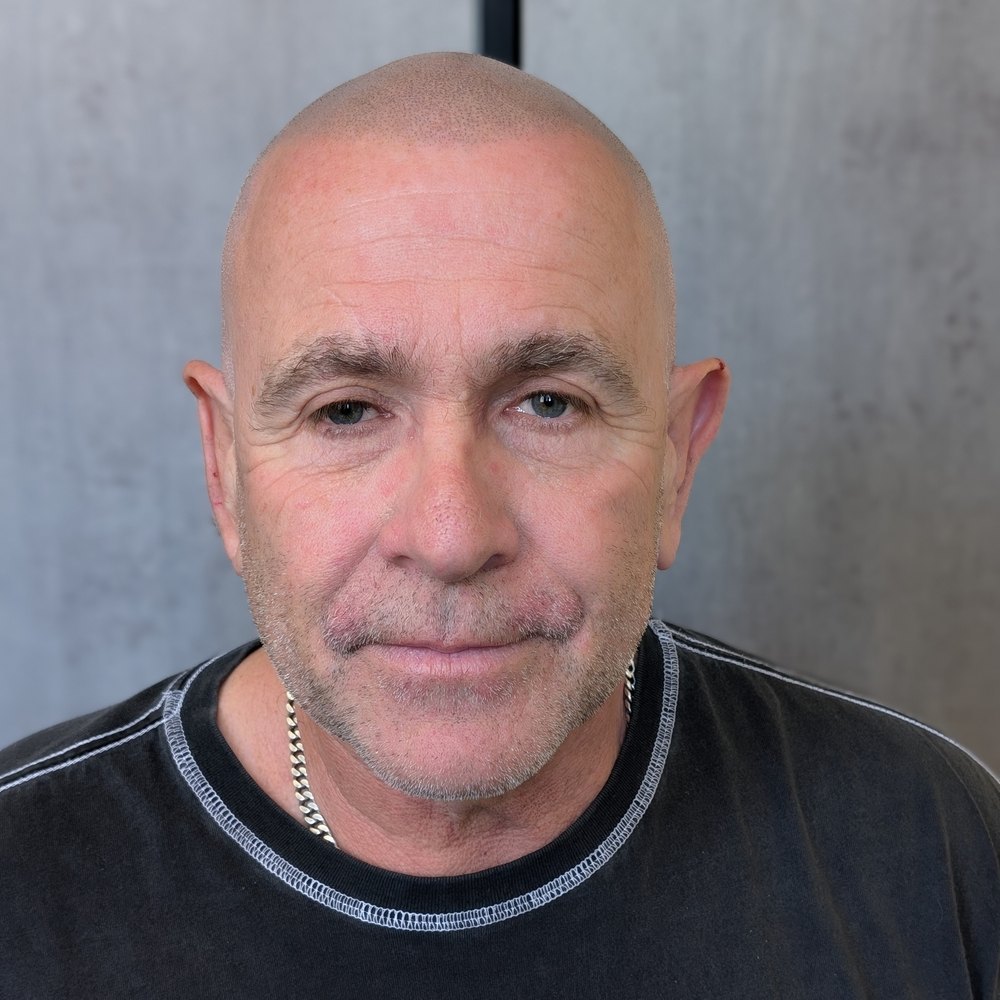
SMP for alopecia may not be suitable when the scalp has inflammation or broken skin, or when scarring alopecia is active. Some forms can be treated once stable, but suitability depends on the diagnosis, scalp condition, skin response and your expectations. I assess these points before recommending SMP.
Why the type of alopecia is only part of the decision
When someone asks me about scalp micropigmentation alopecia suitability, I do not make the decision from the diagnosis alone. Alopecia describes hair loss, but different forms behave differently. Some create a defined patch, some affect most or all of the scalp, and some involve inflammation or scarring that can continue to change.
SMP places carefully selected pigment into the scalp to create the visual impression of follicles or density. It does not treat the cause of alopecia, stop future hair loss or regrow hair. I therefore need to understand whether the skin is ready for pigment and whether the design will still make sense if your hair loss changes.
A consultation is also an opportunity to discuss your preferred appearance. Some people want a shaved-style look, while others need camouflage between existing hairs or around a scar. The right approach depends on your scalp and your expectations, not simply the name of the condition.
Which alopecia situations may need treatment first?
Active or unsettled scalp problems are the clearest reason to postpone SMP. I would not recommend treating through open skin, a significant flare-up, marked irritation or an infection. Psoriasis, eczema and acne can make the scalp unsuitable while they are active. The appropriate next step may be medical assessment and management before we reconsider pigmentation.
This does not always mean you can never have SMP. It means the timing matters. A calm, intact scalp gives us a more appropriate surface to assess and helps avoid treating skin that is already inflamed or changing.
I also take extra care when a condition is being investigated or its activity is unclear. If you have a new, rapidly changing or unexplained pattern of hair loss, I may suggest that you speak with your doctor or dermatologist first. SMP should not replace diagnosis or medical care.
Is unstable alopecia unsuitable for SMP?
Possibly, at least for now. Alopecia areata can develop new patches after treatment, so we need to discuss the possibility that the area requiring camouflage may change. That does not automatically rule out SMP. It does mean that the plan should allow for future assessment and, if needed, additional coverage.
When hair loss is widespread or complete, a uniform design may be appropriate once the scalp is healthy and the pattern is sufficiently understood. However, I still assess how the skin looks, whether there is scarring, and what result you want to maintain if hair returns or further loss occurs.
Scarring alopecia needs particularly careful timing. If the disease is active, the scalp may continue to alter in texture or coverage. I would want the condition to be medically settled before considering pigment. Scarred skin can also accept pigment differently from unaffected skin, so expectations and technique need to be discussed honestly.
For more detail about what happens across appointments, read my guide to the SMP treatment process for alopecia.
When does scarring or skin type make SMP unsuitable?
Alopecia can leave skin that is smooth, uneven, pale, darker than the surrounding area or visibly scarred. Scarring does not automatically exclude you, but it can affect how pigment heals and how natural the result appears. I assess the texture, colour and boundaries rather than assuming all scar tissue will behave in the same way.
A history of raised or keloid scarring also needs careful discussion. If your skin has produced unusually raised scars after minor injuries, piercings or previous procedures, I would want to understand that history before recommending treatment. In some cases, the safest answer may be not to proceed.
Skin tone is not a reason to exclude someone, although pigment selection and design need to be carefully matched. Very fair or very dark skin can require particular attention to avoid a result that looks too harsh or too flat once healed.
If your concern is mainly a surgical or transplant scar rather than active hair loss, you can read about scalp micropigmentation for scar camouflage. The assessment remains individual because scar age, texture and healing history all matter.
What else do I check before recommending SMP?
I ask about your diagnosis, how long the pattern has been present, whether it is changing, previous treatments and any scalp symptoms. I also look at the hair and skin in person, including areas that may be less obvious in photographs.
We discuss whether you plan to shave, keep some hair, or add density between existing hair. A shaved design may not be the right answer for someone who wants to retain length, while density work may not suit a scalp where the pattern is continuing to expand.
I also ask about medication and relevant medical history. Certain medicines, including blood thinners and immune-suppressing drugs, may require further consideration. This does not mean every person taking medication is excluded, but I need accurate information before making a recommendation.
At Foli Sim, I do not use anaesthetic and advise against it. During the consultation, I explain what the procedure involves and whether your scalp and expectations appear suitable. Prices are published on our website, so you can review them before deciding whether to proceed.
I have worked in the hair industry for 42 years. If the honest answer is that your scalp needs attention first, or that SMP is unlikely to give you the result you want, I will explain that.
Our Perth studio is where I am based, and Foli Sim also has studios in Melbourne and Sydney. If you are considering a consultation in Perth, you can find the details for our scalp micropigmentation clinic in Perth.
If you are unsure, you are welcome to book a consultation.
Frequently asked questions
Can SMP make alopecia worse?
SMP is a cosmetic camouflage procedure and does not treat the underlying cause of alopecia. However, treatment should not be performed over active inflammation, broken skin or an unsettled scalp. I assess your condition and medical history first, then explain whether proceeding appears appropriate or whether waiting is safer.
Is alopecia totalis automatically unsuitable for scalp micropigmentation?
No. Complete scalp hair loss can sometimes suit a uniform SMP design because there is no existing hair to blend between. The scalp still needs to be healthy, and I need to discuss skin texture, pigment response, future changes and the appearance you want before recommending treatment.
Can I have SMP if my alopecia areata keeps creating new patches?
Possibly, but changing alopecia areata requires realistic planning. New patches may appear after treatment, which can mean further camouflage is considered later. I would assess how active the condition is, whether the scalp is healthy and whether you are comfortable with a result that may need future review.
Can scarring alopecia be treated with SMP?
It may be possible once the scarring alopecia is medically settled. Active disease can continue to change the skin and hair-loss pattern, making treatment premature. Scar texture can also affect healing and colour. I would assess the area carefully and may recommend medical advice before discussing a treatment plan.
Do medications rule out SMP for alopecia?
Not necessarily. Blood thinners, immune-suppressing medicines and other treatments may affect how a procedure should be considered. Tell me about all relevant medication during consultation. I can then explain whether additional medical input is needed, rather than assuming that your prescription automatically excludes you.
What if hair grows back after SMP for alopecia?
SMP does not prevent hair from growing back in the treated area. If regrowth occurs, the pigment remains beneath it and may become less visible between the hairs. The appearance can change as the condition changes, so I discuss future possibilities before treatment and review any new concerns later.
Can SMP cover an alopecia scar?
Sometimes. SMP may camouflage the contrast of a suitable, settled scar, but scar tissue can heal differently from normal scalp skin. I look at its texture, colour, age and healing history. If the scar is raised, active or changing, it may not be suitable for treatment at that time.