What should I consider before choosing a haircut for thinning hair?
I start with the pattern and extent of your hair loss, not with a particular style. Look at the front hairline, temples, crown and the overall contrast between your hair and scalp. Thinning can look quite different from one person to the next, so a haircut that suits one man may make another person's scalp show-through more obvious.
Extra length does not always create extra fullness. Longer hair may separate around the crown, lie flat against the scalp or draw attention to a receding hairline. A shorter cut often looks cleaner because the difference between longer hair and sparse areas is less pronounced.
For clients with enough remaining hair, I generally recommend discussing a neat, short cut with a barber who understands thinning hair. Keeping the sides controlled can also prevent the top from appearing more sparse by comparison. The aim is not to pretend the hair loss is absent. It is to choose a shape that looks deliberate and works with what you have now.
If you are unsure whether your pattern is changing, it is sensible to speak with your GP or a qualified medical professional before making a cosmetic decision. SMP is not a treatment for hair loss, and it does not change natural growth.
When can shaving look better than keeping thinning hair?
Shaving may suit you when the remaining hair is so uneven that every haircut leaves a visible difference between the fuller and thinner areas. A closely shaved scalp removes that uneven length. It gives you one consistent visual style rather than asking a haircut to cover areas it cannot realistically cover.
Some men prefer a very short clipper length rather than a wet shave. The right choice depends on your skin, comfort and how much natural hair remains. If you have advanced hair loss, a fully shaved look may be the most consistent option. If there is still workable coverage, fine stubble may blend naturally with the scalp.
Shaving is not a failure or an admission that you have run out of choices. It is simply a styling decision. The important question is whether you feel more comfortable maintaining a short, even appearance than repeatedly trying to arrange thinning hair into coverage.
I also encourage clients to think about the future. Hair loss may continue, so a hairline or cut that works today may not make sense later. Any cosmetic design should leave room for your appearance to change rather than locking you into an overly low or sharply defined hairline.
Can SMP help if I choose a shaved style?
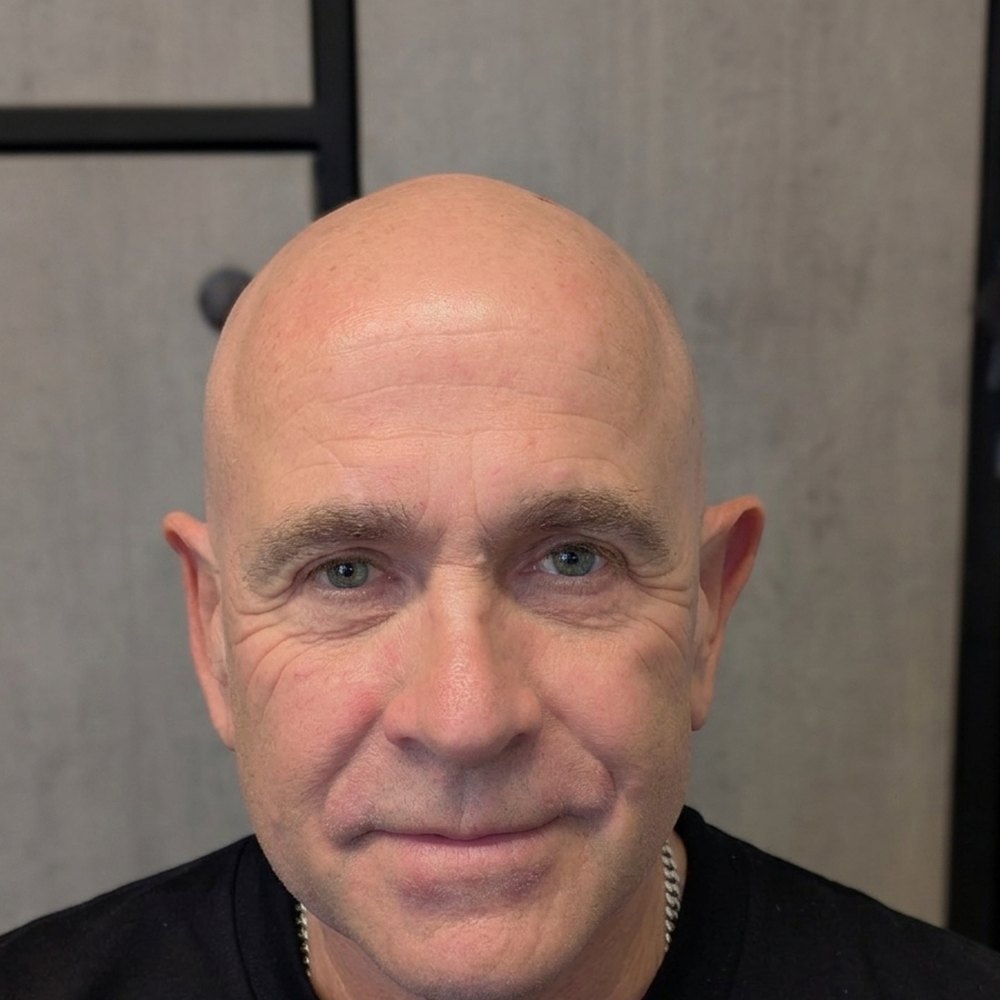
Scalp micropigmentation, also called a hair tattoo, places tiny pigment dots in the scalp to create the visual impression of closely cropped follicles. It does not grow hair, stop balding or damage existing follicles. Its purpose is to reduce the contrast between scalp and hair, making a shaved style look more even and consistent.
For a shaved-style result, I assess your natural hair colour, skin tone, existing hairline and the way your hair loss is developing. A soft hairline is usually the more undetectable option. The dots should not look like a solid painted edge, and some scalp showing through is a normal part of a believable result.
At Foli Sim, I plan SMP across more than just the hairline. The crown, temples and other areas of visible scalp need to relate to one another, otherwise the front can look disconnected from the rest of the head. I build the result gradually so it can be assessed as it develops.
You can read more about whether SMP is worth considering for a shaved head if you are weighing up the practical side of the decision.
What happens during scalp micropigmentation?
We begin with a consultation about your current hair loss, preferred haircut, lifestyle and expectations. I look at the shape of your head and discuss a hairline that suits your facial structure and age. This is also the time to disclose relevant medical information, allergies, skin conditions and medication.
A full course commonly involves two to four sessions, depending on the area and the result being developed. A session may take up to five hours. I normally begin more lightly, then add density and detail at follow-up appointments once the scalp has healed and the first layer can be assessed properly.
Foli Sim does not use anaesthetic. Sensitivity varies from person to person. After each session, you need to keep the scalp dry, avoid sweating, heavy exercise, hot showers, steam rooms and sun exposure for the period advised. You should not wash, wet or shave the treated scalp for the first four days. Swimming pools, saunas and steam rooms should be avoided for 28 days after the final treatment.
How long does SMP last, and what should I expect later?
SMP is a permanent cosmetic tattoo, but it is not a permanent unchanged result. Pigment gradually softens and fades through normal skin processes, sun exposure and immune-system activity. Results commonly last several years before a touch-up is considered, although the timing varies with skin, lifestyle and aftercare.
A touch-up is not the same as starting again. It should respond to how the pigment has aged and how your hair loss has developed. This is one reason I prefer a measured design rather than an overly dark or aggressive starting result. If your natural hair continues to recede, the original plan may need to be reviewed before more pigment is added.
When choosing a practitioner, review healed work rather than relying only on fresh photographs. Pay particular attention to the hairline, dot size, spacing and whether the result still looks natural at a conversational distance. Experienced, specialist SMP work can reduce the risk of complications during application and make any future correction or removal less difficult.
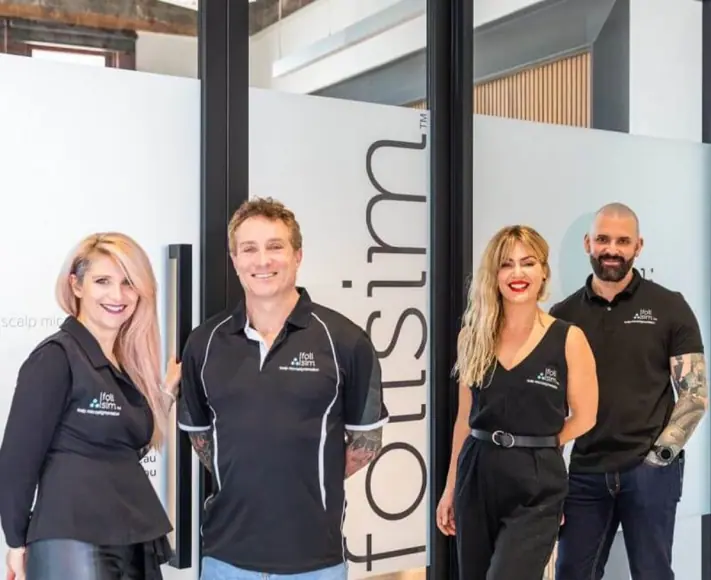
I have worked in the hair industry for 42 years and am based in our Perth studio. If you would like to discuss your options in person, you can find details for scalp micropigmentation in Perth. I also explain the wider relationship between hair loss and SMP before a consultation.
If you are still deciding, a consultation can help you compare a short haircut, a shaved style and SMP without committing to treatment.
Frequently asked questions
Will shaving make my hair grow back thicker?
No. Shaving cuts the hair shaft above the skin and does not change the follicle, growth rate or thickness. Stubble can look darker or feel coarser because the cut end is blunt, but this is a visual and tactile effect. Shaving also does not stop progressive hair loss.
Can I keep some hair after having SMP?
That depends on the level and distribution of your remaining hair. Some men maintain very short natural hair alongside SMP, while others prefer a closer shave for the most even appearance. During consultation, I assess whether the natural hair and pigment can continue to blend as your pattern changes.
Will SMP look like real hair when I grow it longer?
SMP is designed to imitate the appearance of short follicle stubble, not longer strands. If you grow your hair beyond a short length, the pigment may no longer match the visual texture of the hair above it. We discuss the maintenance length that best suits the design before treatment.
Can I change my SMP hairline later?
Some changes may be possible, but they are not always simple. Pigment can be softened over time and laser removal may be considered, although correction can involve multiple stages. I recommend choosing a conservative hairline that reflects your age and likely future hair loss rather than copying a youthful outline.
What if I have an active scalp condition?
Active scalp acne, eczema or a psoriasis flare-up needs to be addressed before treatment. Anyone with a history of keloid or spontaneous keloid scarring should speak with a dermatologist before booking, because tattooing can trigger abnormal scarring or a flare. Suitability is assessed during consultation.
Can people tell that SMP is a hair tattoo?
A well-planned result should read as short hair at normal conversational distance, rather than as a painted scalp. Fresh pigment can look stronger at first and then soften during healing. The hairline, dot scale, colour choice and the way the result blends with natural hair all affect how discreet it appears.