Male scalp micropigmentation (SMP for men) usually creates the appearance of closely shaved follicles or strengthens a receding hairline. Female SMP more often adds visual density between existing, longer hairs. The technique is tailored to the pattern of hair loss, hairstyle, hairline and desired result, rather than determined by gender alone.
What is male scalp micropigmentation designed to do?
When I discuss scalp micropigmentation with a male client, the first question is usually what he wants his hair to look like afterwards. Many men are considering a closely shaved appearance, while others want to keep some length and make thinning areas less noticeable.
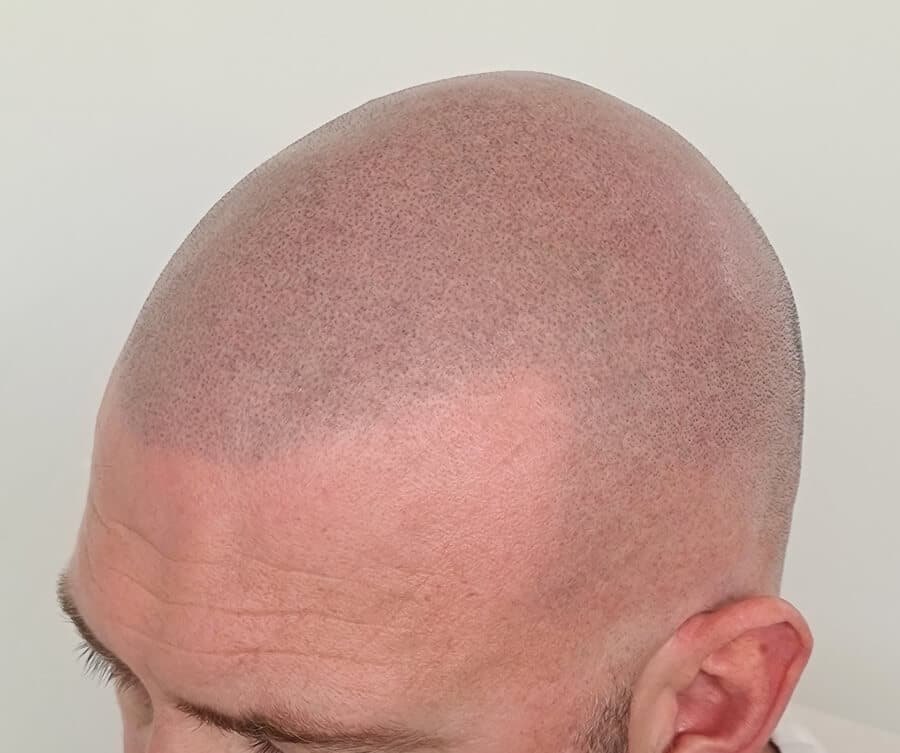
For a shaved look, I place carefully planned pigment impressions across areas of hair loss to create the visual impression of short, closely cropped follicles. The aim is not to draw individual hairs. It is to reduce the contrast between the scalp and the remaining hair so the overall appearance looks more even.
The hairline is an important part of this work. A natural-looking hairline needs to suit your age, facial proportions, existing hair and the way your hair has receded. I avoid treating the hairline as a standard shape that can be applied to everyone. The temples and transition into the sides also need to be considered.
Male SMP can also be used when you do not want to shave completely. In that situation, the work may focus on thinning through the crown, a receding hairline or other areas where the scalp is more visible. The plan changes when existing hair remains longer, because the pigment must work with your current haircut and density.
How is female SMP usually different?
Female scalp micropigmentation is more commonly density work. Instead of creating the appearance of a shaved head, I place pigment between existing hairs so less of the scalp shows through. Your hair can remain long, and the treatment is planned around how you part, wear and style it.
Female hair thinning is often diffuse, with a widening part or reduced density across the top and crown. The frontal hairline is commonly maintained, so recreating a new, low hairline is usually not the objective. The work needs to blend into the hair that is already there from several directions.
For example, a centre part may need a different plan from a side part. If you regularly change your parting, I need to consider the surrounding area so the result remains useful when your hair is styled differently. The placement, tone and layering are all assessed against your hair colour and scalp.
I have worked with hair loss in both men and women for many years, including density work on unshaved hair. You can read more about scalp micropigmentation for women if your main concern is a widening part, diffuse thinning or visible scalp beneath longer hair.
Is the technique itself different for men and women?
The underlying treatment is the same cosmetic tattooing process. Pigment is placed into the upper layers of the scalp to reduce the appearance of contrast. What changes is the design, placement and blending required for the individual pattern.
With a shaved style, the work is judged largely by the hairline, temples, density and how naturally the impressions transition into the sides and back. With longer hair, I am looking closely at how the pigment sits between real strands, how the scalp appears under the chosen parting and whether the density looks balanced.
Hair colour alone does not determine whether SMP is suitable, and different hair colours can be assessed at consultation. The intention is to reduce the visible difference between the scalp and hair, not to make every client’s pigment look the same.
I also assess the condition of the scalp. Skin needs to be suitable for the procedure and healing process. Any concerns about scalp health, active irritation or a changing condition should be discussed during consultation before treatment is planned.
Does male SMP hurt more than female SMP?
There is no reliable rule that one type is more painful because it is for a man or a woman. Sensation can vary with the area treated, your personal sensitivity and the condition of your scalp. Some people find the sound and sensation of the procedure more noticeable than others.
At Foli Sim, we do not use anaesthetic, and we advise against it. I explain what to expect before we begin and work carefully through the treatment. If you have particular concerns about comfort, tell me during your consultation so we can discuss your circumstances and the proposed area.
The number and length of appointments varies according to the area, the existing hair, the amount of thinning and the result being planned. The schedule is planned at consultation for each case.
How do I know which approach is right for me?
The most useful starting point is not whether you are asking about male or female SMP. It is the way your hair loss looks and the way you want to wear your hair. A man may need density work while keeping his hair longer. A woman may have a shaved area, alopecia or a scar that requires a different approach.
During consultation, I look at your hair loss pattern, scalp, hair colour, current hairstyle and expectations. We discuss whether you want to maintain length, create a close-cropped appearance, soften the visibility of a scar or add density around a parting. Foli Sim offers services including Male Density, Female, Shaved, Alopecia, Repair, Hair Tattoo and Scars, so the plan can be matched to the reason you are seeking SMP.
I also want you to understand what SMP can and cannot do. It does not regrow hair or change the underlying cause of hair loss. It changes the visual relationship between the scalp and hair, and the colour gradually softens over time. Touch-ups can be considered when appropriate.
Before and after images can help, but they should be compared with cases that resemble your own hair length and pattern. A freshly shaved result is not a useful comparison for someone who wants to keep long hair. I recommend looking at examples alongside a proper assessment, not relying on a generic template.
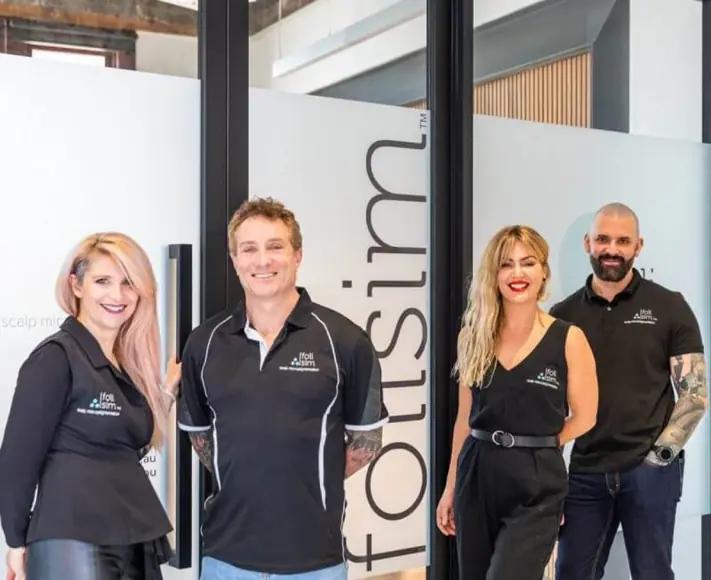
Foli Sim has studios in Perth, Melbourne and Sydney, and I am based at the Perth studio. Our Perth scalp micropigmentation clinic page has local information.
If you are unsure which approach suits you, you are welcome to book a consultation when you feel ready.
Frequently asked questions
Can a woman have shaved-style scalp micropigmentation?
Yes. The appropriate design depends on the hairstyle and pattern of hair loss, not simply on being male or female. A woman may choose a closely cropped appearance, or she may need camouflage for alopecia, repair work or a scar. The plan should be assessed individually before treatment.
Can men have SMP while keeping their hair long?
Yes. Men with thinning through the crown, along a parting or across the top may consider density work rather than a shaved-head design. Pigment is planned between existing hairs to reduce visible scalp while working with the haircut and styling choices you intend to keep.
Will female SMP change my hair colour?
SMP is intended to reduce the contrast between your scalp and hair, not recolour the hair itself. Your natural hair remains your own colour and length. Pigment selection and placement are assessed against your hair, scalp and desired density so the result integrates with your existing appearance.
Can SMP treat hair loss caused by alopecia?
SMP may be considered for some forms of alopecia, but the suitability of treatment depends on the type, activity and condition of the scalp. Alopecia can present in different ways, so I would assess the area carefully and discuss whether the skin and hair loss pattern are appropriate before recommending a plan.
Does SMP stop hair loss from progressing?
No. SMP is a visual camouflage treatment and does not regrow hair or alter the underlying cause of hair loss. If your hair changes after treatment, the appearance may change as well. This is why I discuss your current pattern, expectations and possible future needs during consultation.