
In recent years, vaping has become increasingly popular as an alternative to traditional smoking. However, as the trend continues to rise, so do questions about its potential effects on our health – including its impact on hair loss.
At Foli Sim, we understand the importance of providing clarity on this issue, particularly for individuals considering SMP as a solution to their hair loss. So does vaping cause hair loss? Let’s discuss.
What is vaping?
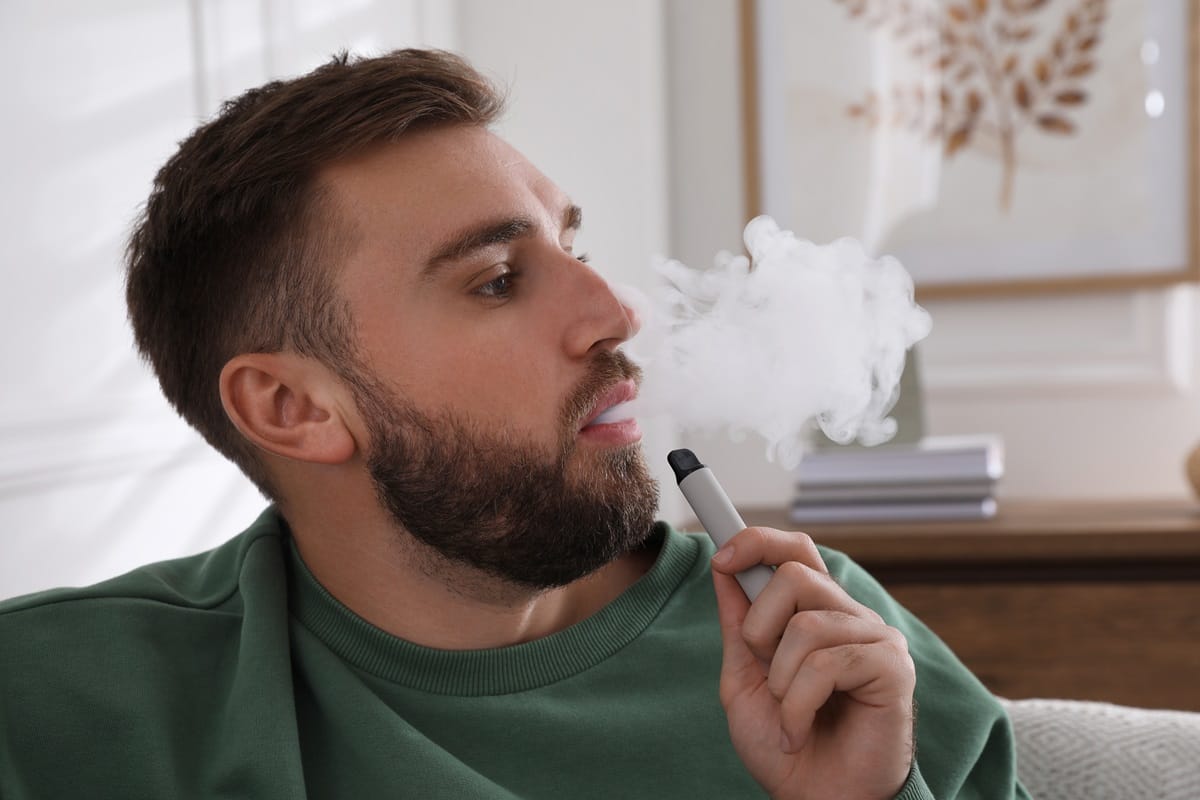
Vaping involves using an e-cigarette, which is a battery-powered device. This device heats up a liquid (usually containing nicotine, flavours, and other chemicals) to create a vapour, which people then breathe in.
The liquid used in e-cigarettes typically includes ingredients like propylene glycol, vegetable glycerin, flavourings, and different levels of nicotine.
The link between vaping and hair loss
To understand the potential link between vaping and hair loss, it’s essential to examine the science. While the relationship between vaping and hair loss are not fully explored, some researchers suggest that certain chemicals (such as nicotine) found in e-cigarettes may have adverse effects on hair follicles.
Nicotine, for example, has been shown to constrict blood vessels, potentially reducing blood flow to the scalp and compromising hair follicle health.
How much nicotine is in vapes?
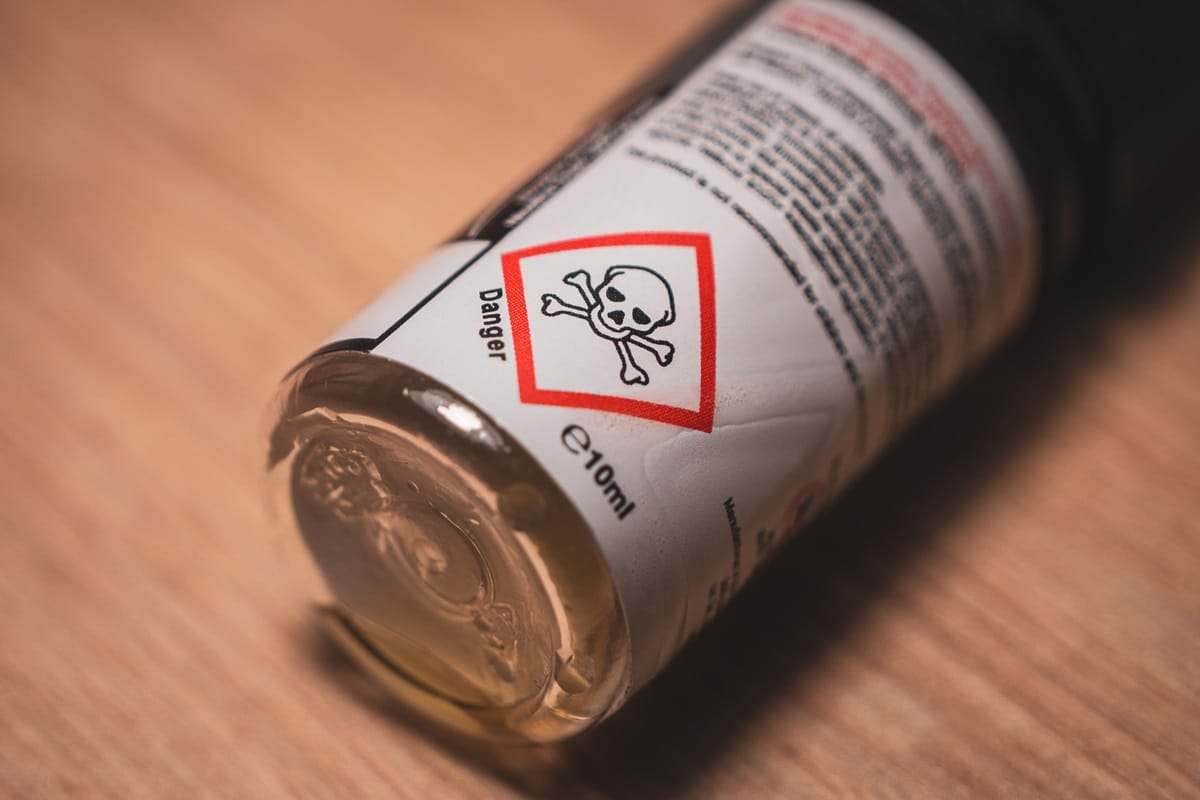
The nicotine content in vapes can vary widely depending on the type of device used and the specific e-liquid or vape juice being used. Generally, e-liquids come in a range of nicotine concentrations, typically measured in milligrams per milliliter (mg/ml).
Common nicotine concentrations for e-liquids include 0 mg/ml (nicotine-free), 3 mg/ml, 6 mg/ml, 12 mg/ml, 18 mg/ml, and sometimes even higher concentrations.
Reviewing the research – the impacts of nicotine on hair loss
While genetics are recognised as the primary cause of hair loss, environmental influences can accelerate this process. Among these influences, smoking, vaping, and exposure to nicotine have been found to impact hair loss.
A study in the US has found that nicotine can potentially have the following impacts on a person:
- Narrowing blood vessels and restricting blood flow to the hair follicles.
- Triggering imbalances that harm DNA integrity, leading to follicle regression and disrupting the natural hair growth cycle.
- Provoking oxidative stress and disrupting the balance of antioxidants in the body. This imbalance can hinder hair growth by prompting the release of various proteins within the body’s cells to counteract the effects.
- Influencing hormonal levels. Research suggests that nicotine exposure from vaping can elevate androgen levels, contributing to hormonal imbalances linked to hair loss.
Although this study explored the impacts of smoking traditional cigarettes, which have a higher concentration of nicotine, it is worthwhile to understand the negative effects of nicotine on the body and its impact on hair loss.
Although vapes do have a much lower nicotine content, it has been found that almost ALL vapes contain nicotine (yes, even the ones which claim to be nicotine-free can have trace elements). Therefore, daily vaping does increase your exposure to nicotine, in comparison to a non-vaper.
Typically, research indicates that vaping adversely affects overall health, with potential implications visible in indicators of poor health, including hair loss.
Therefore while vaping does not directly cause hair loss, it can certainly be a contributing factor.
Negating the negative impacts of vaping
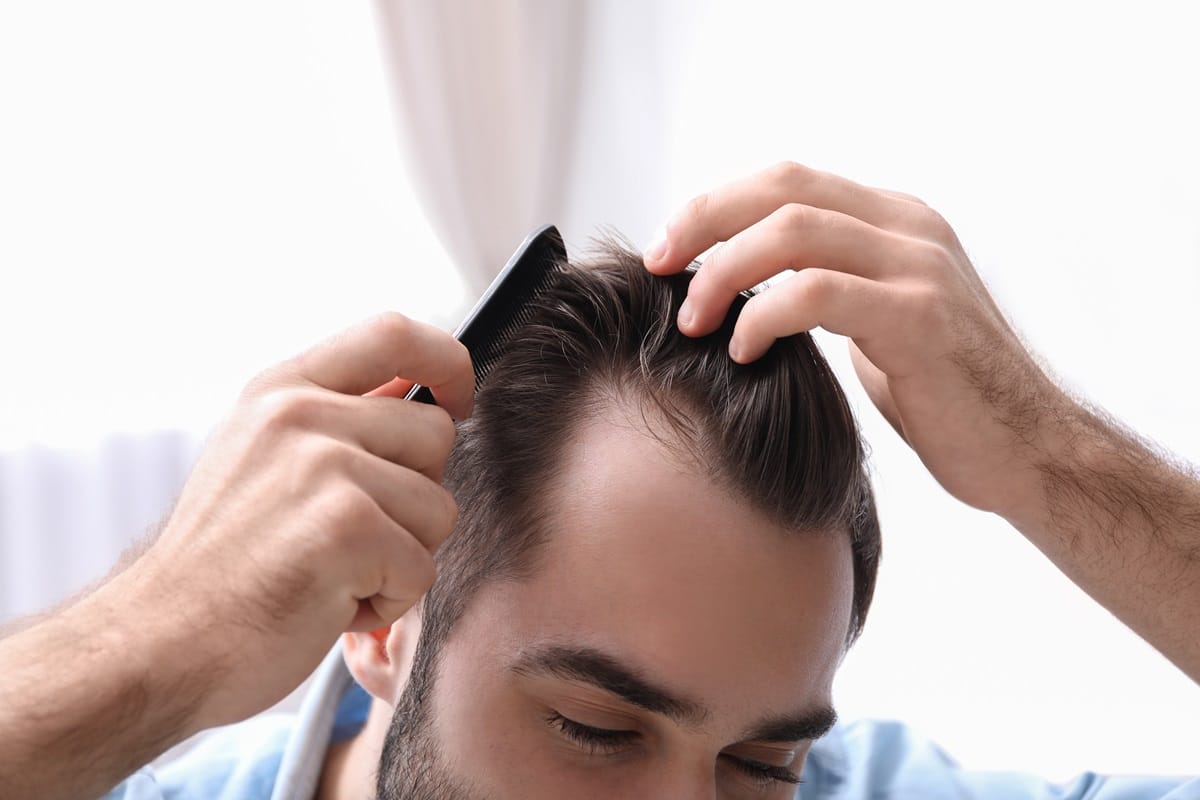
Vaping can negatively impact your body and hair growth due to the chemicals it contains and its nicotine content. These substances can cause oxidative stress and potentially alter hormone levels, leading to detrimental effects on your health.
To counteract these harmful effects, it’s beneficial to quit vaping and adopt a healthy lifestyle. This includes eating a balanced diet, ensuring adequate sleep, exercising regularly, and effectively managing stress levels.
Nicotine replacement therapy (NRT), support from family, and seeking professional assistance are all effective strategies for quitting vaping.
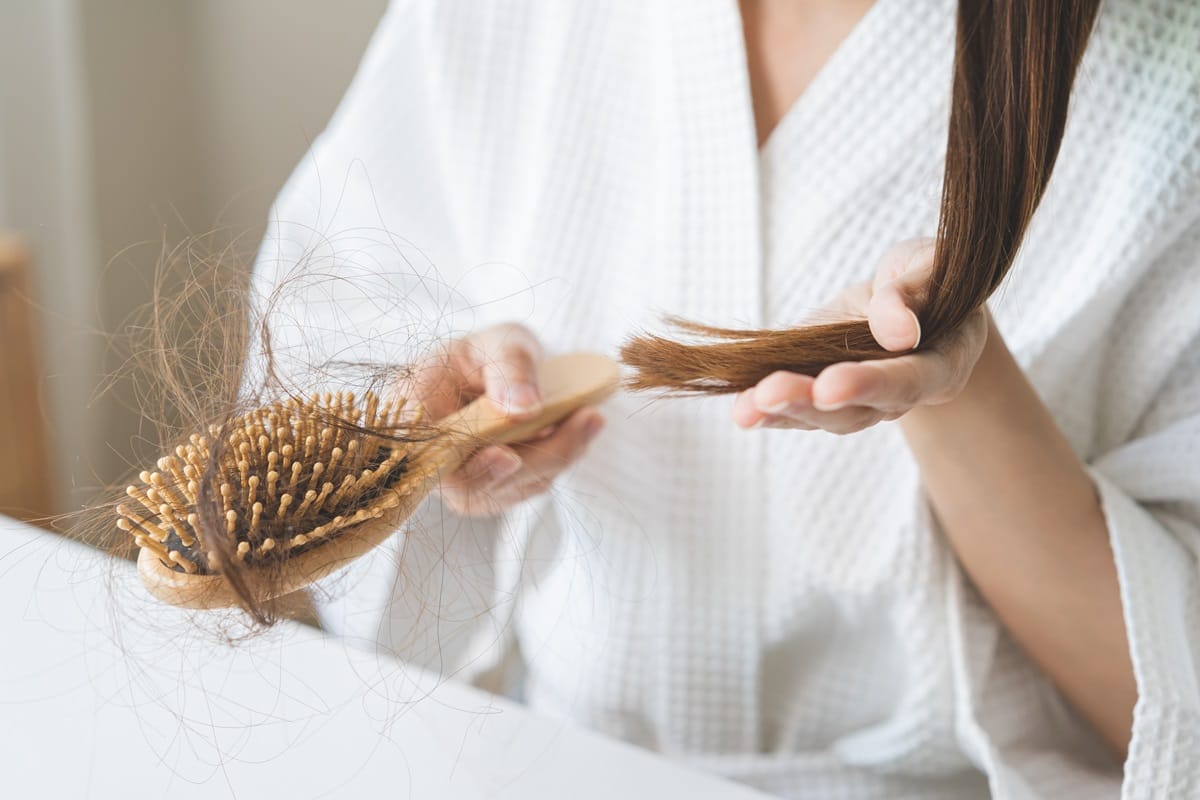
Experiencing hair loss?
If you are experiencing hair loss and are feeling concerned about it, there are solutions to help.
Scalp Micropigmentation offers a non-invasive, low-maintenance solution, involving the procedure of applying specialised pigments to the scalp, creating the illusion of hair follicles and increasing hair density.
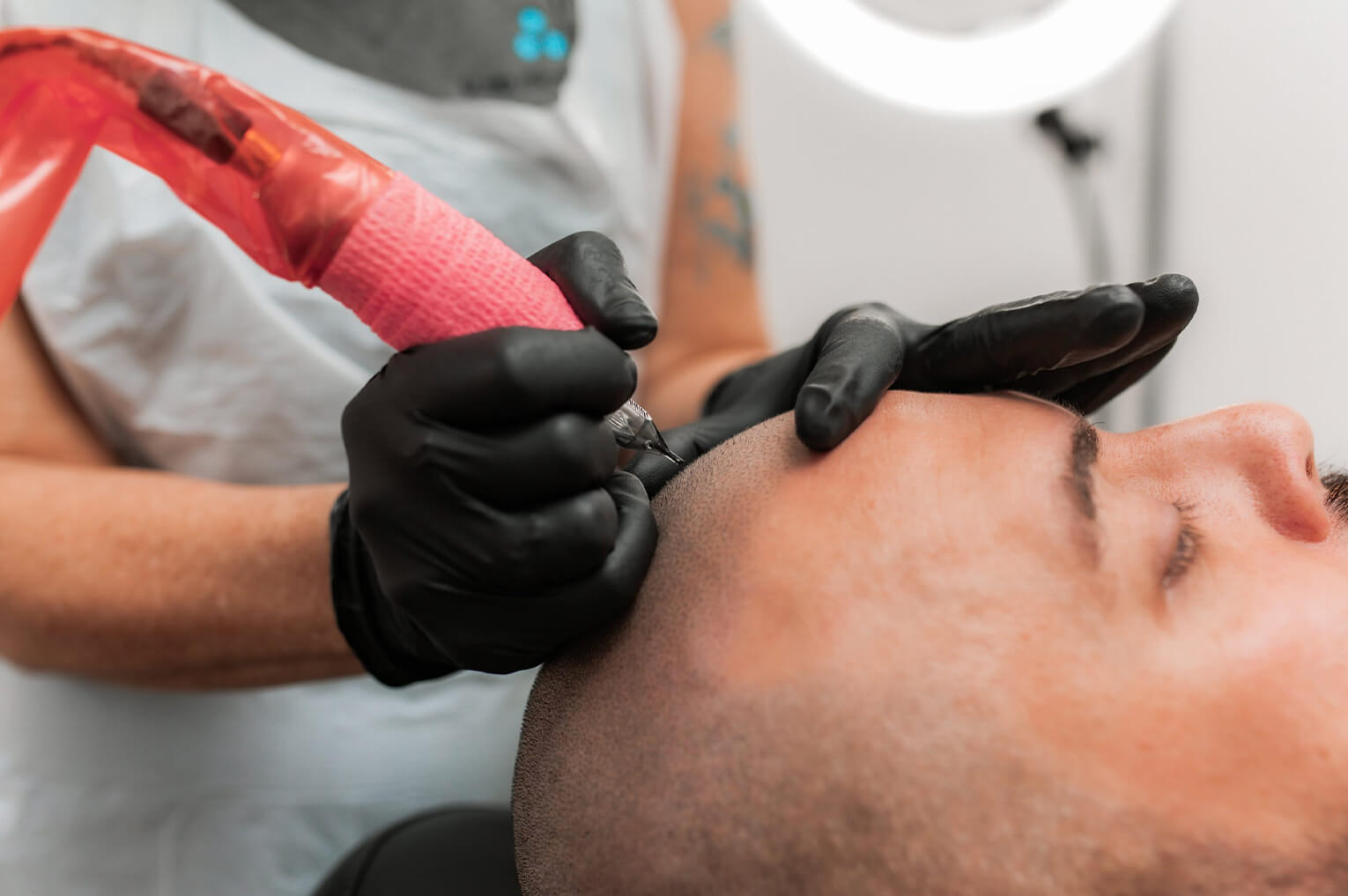
We are here to help
At Foli Sim, we are dedicated to supporting you through your hair loss journey by providing personalised Scalp Micropigmentation (SMP) solutions in a welcoming and supportive environment.
If you’re experiencing hair loss or considering SMP treatments, we encourage you to reach out to our team for personalised advice and guidance. Together, we can explore the best solutions to help you look and feel your best, no matter your age or level of hair loss.
Frequently asked questions
How might nicotine in vapes affect hair follicles?
I explain that nicotine has been shown to constrict blood vessels, potentially reducing blood flow to the scalp and compromising hair follicle health. Vaping generally exposes a person to nicotine, although the amount varies between devices and e-liquids. These effects may contribute to hair loss rather than directly cause it.
Do all vapes contain nicotine?
I explain that almost all vapes contain nicotine, including some that claim to be nicotine-free, because they can contain trace elements. The nicotine content can vary widely according to the device and e-liquid used. Daily vaping therefore increases nicotine exposure compared with not vaping, even when the product seems nicotine-free.
Is vaping the main cause of hair loss?
I explain that genetics are recognised as the primary cause of hair loss. Environmental influences, including smoking, vaping and exposure to nicotine, may accelerate the process. Vaping does not directly cause hair loss, but its chemicals and nicotine can make it a contributing factor.
What other effects can vaping have on hair growth?
I explain that vaping can negatively affect the body and hair growth because of its chemicals and nicotine content. These substances can cause oxidative stress and potentially alter hormone levels, which may have detrimental effects on health. Research indicates that vaping adversely affects overall health and may be reflected in poor-health indicators.
Can quitting vaping help reduce its harmful effects?
I recommend quitting vaping and adopting a healthy lifestyle to counteract its harmful effects. This includes eating a balanced diet, getting adequate sleep, exercising regularly and managing stress effectively. Nicotine replacement therapy, support from family and professional assistance are also identified as effective strategies for quitting vaping.
What treatment options are available if vaping is linked with my hair loss?
I explain that Scalp Micropigmentation is a non-invasive, low-maintenance solution for people experiencing hair loss. The procedure applies specialised pigments to the scalp to create the illusion of hair follicles and increase the appearance of hair density. Personalised SMP advice and guidance can be discussed with the Foli Sim team.