
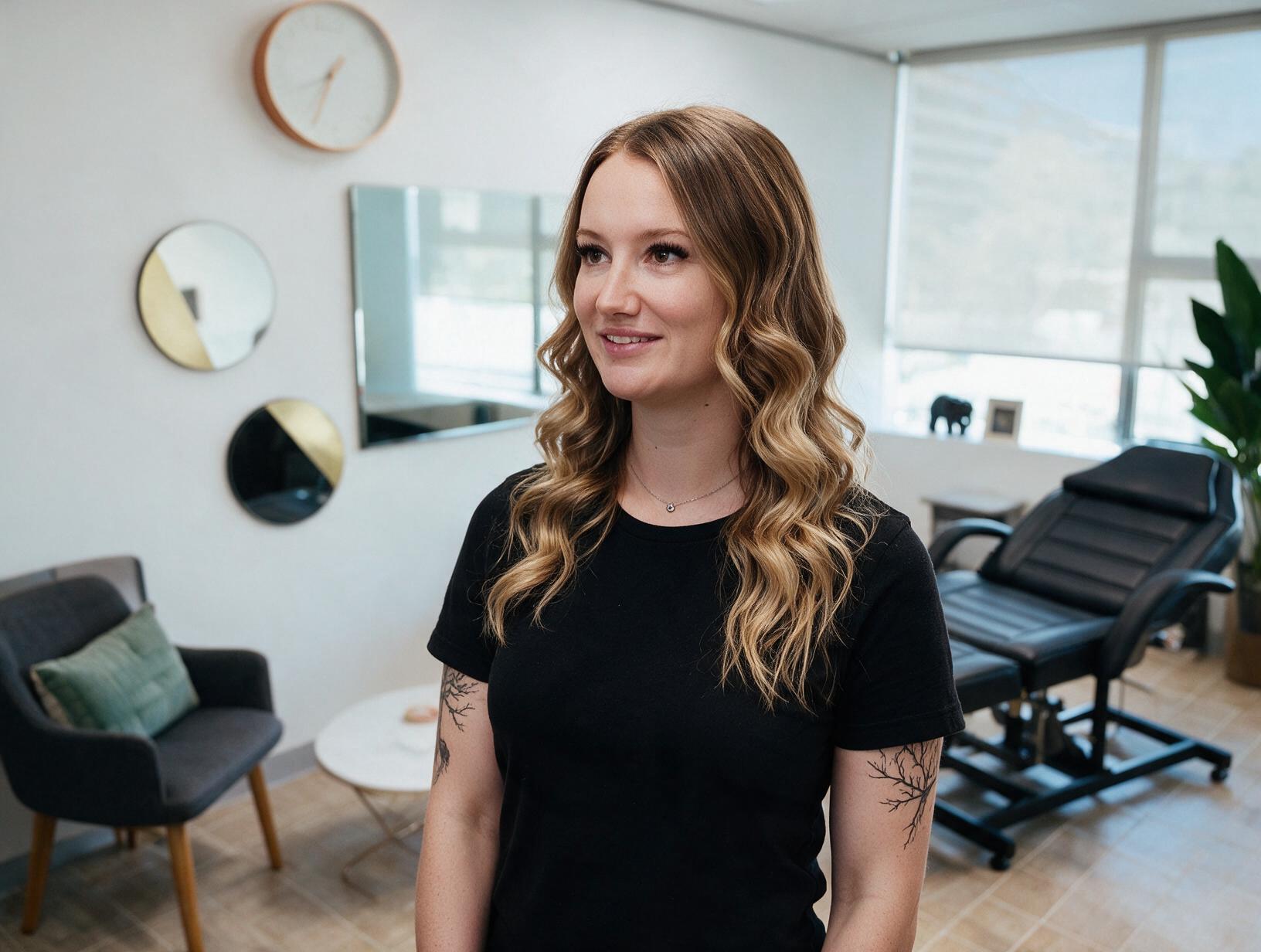
Does long hair work with a receding hairline?
Long hair is not automatically the wrong choice. If you have good density behind the hairline, longer layers, texture or a side part can make the hairline less prominent. The result depends more on how the hair sits than on length alone.
Long, fine hair can sometimes make thinning easier to see because it separates into wispy sections, especially when wet, oily or lit from above.
I usually look at your hair in ordinary conditions, not only when it has been styled. That includes the temples, frontal hairline, crown and the way your hair naturally falls. A style that looks convincing from the front may expose recession from the side or above.
Which hairstyles can suit hair for a receding hairline?
There is no single haircut that suits everyone, but some approaches can help create a more coherent outline:
- Short textured styles: Texture can break up straight lines and reduce the emphasis on the front edge.
- A longer fringe: A fringe may soften the temples when there is enough hair at the front to carry it.
- Layers: Well-placed layers can add movement without relying on excessive length or heavy product.
- A crop or buzz cut: Shorter hair reduces the contrast between hair and scalp and can make recession look deliberate rather than disguised.
- Curly or naturally textured hair: Movement and volume may provide useful coverage, although the pattern still needs to be assessed.
I would be cautious about combing long hair tightly across the hairline. It can create a visible separation, pull on the hair and look less natural when it moves. A relaxed style that follows your own growth pattern is usually easier to maintain.
Hairstyle options for a receding hairline
- Short textured styles: texture can break up straight lines and reduce the emphasis on the front edge.
- A longer fringe: it may soften the temples when there is enough hair at the front to carry it.
- Layers: well-placed layers can add movement without relying on excessive length or heavy product.
- A crop or buzz cut: shorter hair reduces the contrast between hair and scalp and can make recession look deliberate rather than disguised.
- Curly or naturally textured hair: movement and volume may provide useful coverage, although the pattern still needs to be assessed.
Should I cut my hair shorter if it is thinning?
Not necessarily. Cutting it shorter is one option, not a rule. Some people prefer to keep length because it suits their identity, work or lifestyle. Others find that a shorter cut makes the recession feel less like something they are managing each morning.
A close clipper length can blend naturally with SMP and remaining hair. A fully shaved appearance may be more suitable where there is little hair left at the front or crown.
If you keep your hair longer, density matters. SMP can sometimes be placed between existing hairs to reduce visible scalp show-through, but it does not create new hair or stop further loss. If there is not enough hair for pigment to sit between, shading may not read as density, and a shorter style may be more consistent.
You can read my guide to wearing a buzz cut with a receding hairline if you are comparing longer hair with a cropped look.
Can SMP help if I want to keep my hair long?
Sometimes. SMP, also called a hair tattoo, places tiny pigment dots in the scalp to reduce the visual contrast where the scalp shows through. It does not regrow hair, change natural growth or damage existing follicles.
For longer hair, the work may focus on areas of visible thinning rather than creating a shaved-head hairline. This is commonly called density work. It needs enough existing hair to conceal and blend with the pigment. Your parting, hair direction, colour and usual styling all affect the design.
I will not recommend density work simply because someone wants to keep length. If the area is too sparse, pigment can look like a shadow rather than fuller hair. In that situation, I explain whether a shorter style would give a clearer result, or whether SMP is appropriate at all.
For a receding frontal hairline, the design also needs to work with the temples. A low, solid or perfectly straight line can look artificial. I prefer a soft, age-appropriate edge that makes sense with your facial structure and the hair you still have.
My guide to SMP for a receding hairline explains how that planning works in more detail.
What should I consider before choosing a style?
First, make sure the cause of your hair loss is understood. If loss is sudden, patchy, inflamed or changing quickly, speak with your GP or dermatologist before considering cosmetic camouflage. SMP does not diagnose or treat an underlying condition.
Next, consider how your hair may change. SMP softens contrast, but it cannot prevent future thinning. A design that works with long hair now may need a different haircut or further planning if the surrounding hair becomes less dense.
Bring photographs of hairstyles you genuinely wear, rather than choosing a result that only looks good in a reference image. I also want to understand how much time you spend styling, whether you exercise or swim regularly, and whether you are prepared to trim or shave if that becomes the most balanced option.
I have worked in the hair industry for 42 years and have delivered SMP for thousands of Australian clients. At Foli Sim, I discuss the realistic options rather than treating one haircut as the answer. We have studios in Perth, Melbourne and Sydney, including our Perth scalp micropigmentation studio.
If you would like to compare your options, you are welcome to book a consultation.
Frequently asked questions
Can I tie long hair back with a receding hairline?
You can, provided the remaining hair has enough density to support the style. A tight ponytail or bun may expose the temples and frontal edge more clearly, while a looser tie can look softer. If tying your hair back causes discomfort or pulling, discuss the tension and pattern with a qualified hair professional.
Does growing my hair longer hide thinning?
Longer hair can cover some areas, but it does not always hide reduced density. Fine hair may separate and reveal more scalp, especially when wet or oily. Layers, texture and a suitable part can help, but the best approach depends on where the thinning is occurring and how much coverage remains.
Can a fringe hide a receding hairline?
A fringe can soften the appearance of the temples when there is enough hair at the front. It may be less effective if the frontal area is very sparse or the hair naturally separates. A heavy fringe can also look obvious when it is combed into place, so movement and texture are important.
Will SMP make long hair look thicker?
SMP may reduce the contrast between scalp and existing hair when there is enough coverage for the pigment to blend between hairs. It cannot create hair or replace missing coverage. If the area is very sparse, a shorter haircut may provide a more consistent appearance than density work beneath longer hair.
Can I change from long hair to a buzz cut after SMP?
Often, but the original design needs to allow for that possibility. Pigment placed for density beneath longer hair may not be suitable as a complete shaved-style hairline. I discuss likely future hairstyles before treatment so the plan does not rely on only one way of wearing your hair.
Does SMP stop a receding hairline from progressing?
No. SMP is cosmetic camouflage and does not alter the process causing hair loss. Your natural hair may continue to thin after treatment, so future planning matters. You may later choose a shorter style, additional work or a revised balance between the treated area and your remaining hair.