I generally recommend waiting at least 12 months after a hair transplant before starting scalp micropigmentation. This gives transplanted grafts time to mature and allows us to see which areas genuinely need added density. The same guidance applies to SMP after FUE, whether you want coverage, density work or scar camouflage.
Why should you wait 12 months after a hair transplant?
After a transplant, the scalp and hair are still changing for many months. Newly transplanted follicles need time to establish themselves, grow and mature. Your final pattern may look quite different from the early stages, particularly around the crown, where growth can take longer to become clear.
Waiting gives me a stable picture of your result. I can then distinguish between areas that are still filling in and areas where the scalp remains visibly sparse. That matters because SMP after a hair transplant is planned around the density you actually have, not the density you expect to develop.
If pigment is placed too early, it may be added to areas that later fill with transplanted hair. The result can then look heavier than intended, or require further work to rebalance it. Waiting is not about being overly cautious. It is about making a better assessment before we begin.
At consultation, I will look at the condition of your scalp, the progress of your transplant and the areas you want to improve. If your grafts have not matured or your scalp is not fully healed, I will tell you honestly that it is too soon.
Does SMP after FUE affect transplanted grafts?
When performed on a fully healed scalp, SMP sits in the upper layers of the skin alongside existing and transplanted hair. It does not replace the grafts, and it does not interfere with the growth cycle of hair that has successfully taken.
The important point is timing. The scalp must be fully healed before micropigmentation begins. This applies whether you had FUE, FUT or another transplant technique. A healed scalp provides a more suitable surface for pigment and gives us a clearer view of the final hair pattern.
SMP can be used for more than the recipient area. Some people want to reduce the see-through appearance between transplanted hairs. Others need density work in the donor area, or want a separate scar camouflage treatment. These are different applications, so I assess each area carefully rather than treating the scalp as one uniform surface.
If you are still deciding how SMP works or what it can achieve, my guide to scalp micropigmentation explains the treatment, including how pigment is used to create the appearance of follicles.
What can SMP add to a transplant result?
A transplant moves real hair, but it cannot always create the visual appearance of full density across every area. Even healthy grafts may leave some space between individual hairs, and light can show through to the scalp. SMP reduces the contrast between the hair and scalp by adding carefully placed pigment between the hairs.
This can make a sparse area read as denser without adding more grafts. It may also help bring balance to a hairline, crown or donor region where the transplant result looks uneven. The aim is not to imitate a transplant or create a solid block of colour. I build the appearance gradually so the finish remains suited to your hair, skin and desired style.
Native hair can also continue to thin around transplanted hair. That means the balance you were happy with immediately after surgery can change over time. SMP may be considered once your transplant has matured and the longer-term pattern is easier to assess.
For some clients, the right treatment is density SMP. For others, the main concern is a visible surgical scar. Scar camouflage is planned differently from density work, and I will explain which approach is appropriate during your consultation.
How many SMP sessions will I need after a transplant?
Three sessions are required, including for clients who have already had a transplant. The need to build pigment progressively does not change.
Pigment is built progressively across the sessions, so I can assess how it has settled and add density in a controlled way. Compressing the process can produce a result that looks too flat or too strong, so I prefer to build it carefully.
Each session has its own healing period. After every session, you should keep the scalp dry for the first four days, wash gently from day five and avoid direct sun exposure for ten days. From day ten, use SPF on the scalp. Swimming pools should be avoided for 28 days after the final session, and full healing takes approximately 30 days.
You can read more about what to expect during recovery in my guide to SMP aftercare and the first 30 days.
What should I do while waiting for SMP?
The waiting period can be frustrating, particularly if your transplant has left visible contrast or patchiness while it matures. It is still useful time. Keep following the instructions given by your transplant surgeon, and do not assume that a scalp treatment is suitable simply because the skin looks better on the surface.
Bring your transplant details to your consultation if you have them, including the procedure date, whether it was FUE or FUT, and any advice about ongoing medication or healing. Clear photographs taken at different stages can also help us understand how your growth has changed.
It is worth deciding what you want SMP to do. You may want a fuller appearance with longer hair, a softer contrast around the crown, a less noticeable donor area or camouflage for a scar. The best plan depends on your existing hair, transplant pattern, scalp condition and the result you want to maintain.
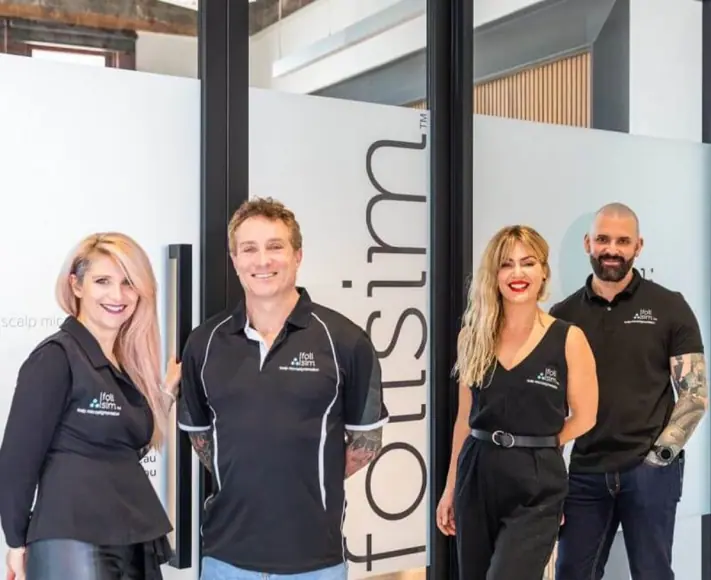
I am based at the Foli Sim Perth studio, and I will explain whether your scalp is ready and what type of work may help. Our prices are published on the website.
If you are considering SMP after FUE or another transplant, you can learn about our Perth scalp micropigmentation clinic before arranging a consultation.
When you are ready, you are welcome to book a consultation so we can assess your transplant result without pressure.
Frequently asked questions
Can I have SMP before my transplant has fully matured?
I do not recommend starting treatment before the transplant has fully matured. Early growth can change the areas that appear thin, so pigment placed too soon may not match your eventual pattern. I would rather assess the stable result first and then plan density or scar work around what is genuinely needed.
Is the 12-month waiting period the same after FUT and FUE?
The minimum waiting guidance is generally the same after FUT and FUE: allow at least 12 months before beginning SMP. The surgical method may leave different types of scarring, but both procedures require the scalp and transplanted hair to mature before micropigmentation can be planned accurately.
Can SMP hide a transplant scar?
SMP can be used for scar camouflage, but this is separate from density work between transplanted hairs. The scar must be fully healed and suitable for treatment. During consultation, I assess its colour, texture and condition before explaining whether camouflage is appropriate for your particular scar.
What if my transplanted hair continues thinning after SMP?
Transplanted hair may be resistant to pattern hair loss, while existing hair around it can continue to thin. That is why I assess the wider scalp, not only the grafted area. Your SMP plan should take the likely balance between transplanted and native hair into account.
Can I shave my hair after combining SMP with a transplant?
Some clients choose a closely shaved style after their transplant and SMP, while others keep more length. The right choice depends on your hair pattern, scar visibility and personal preference. I can discuss how hair length changes the appearance of density and whether your chosen style suits the planned work.
Does Foli Sim use anaesthetic during SMP?
Foli Sim does not use anaesthetic and advises against it. This is something we discuss before treatment so you understand the process and can make an informed decision. If you have concerns about sensitivity or your scalp condition, raise them during your consultation before booking sessions.
How long can SMP last after a hair transplant?
SMP is long-lasting rather than permanent. Pigment is long-lasting, and a touch-up may be needed after some years, although sun exposure, oily skin and individual skin changes can affect longevity. Protecting the scalp from sun can help maintain the result for longer.