I recommend choosing a Perth SMP clinic by checking the practitioner’s formal SMP qualifications, assessed training and any relevant Trichology background. I also suggest reviewing healed results in natural light, examining hairline softness and dot consistency, asking about pigment matching and three-session treatment planning, and having a thorough clinical consultation before booking.
You’ve decided scalp micropigmentation is the direction you want to go. Now you’re staring at a screen full of clinics, unsure how to tell the qualified from the questionable. This article covers the credentials that matter, the portfolio red flags most people miss, and the questions worth asking before you sit in anyone’s chair in Perth. You’ll leave with a clear checklist for choosing confidently.
Why formal credentials are the starting point, not a bonus
Scalp micropigmentation is a specialist discipline. It is not tattooing, and it is not a skill that transfers automatically from cosmetic procedures or beauty therapy. A qualified SMP practitioner should hold a recognised diploma or certification specifically in SMP, not just a weekend course attendance certificate.
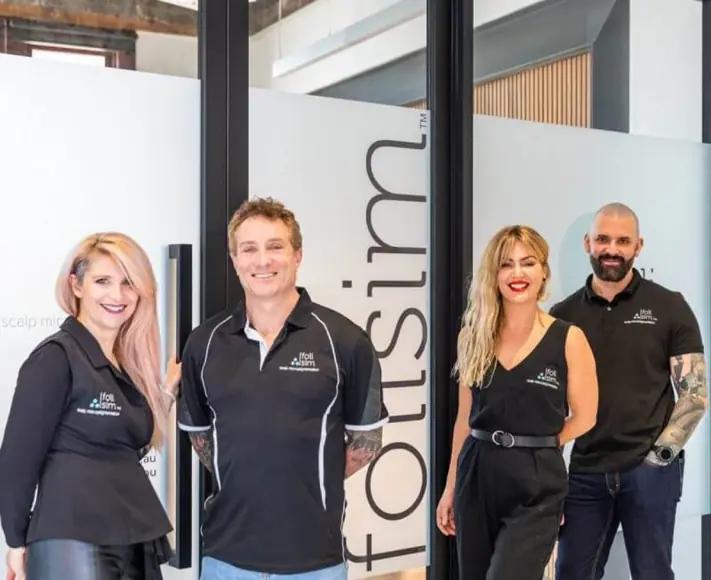
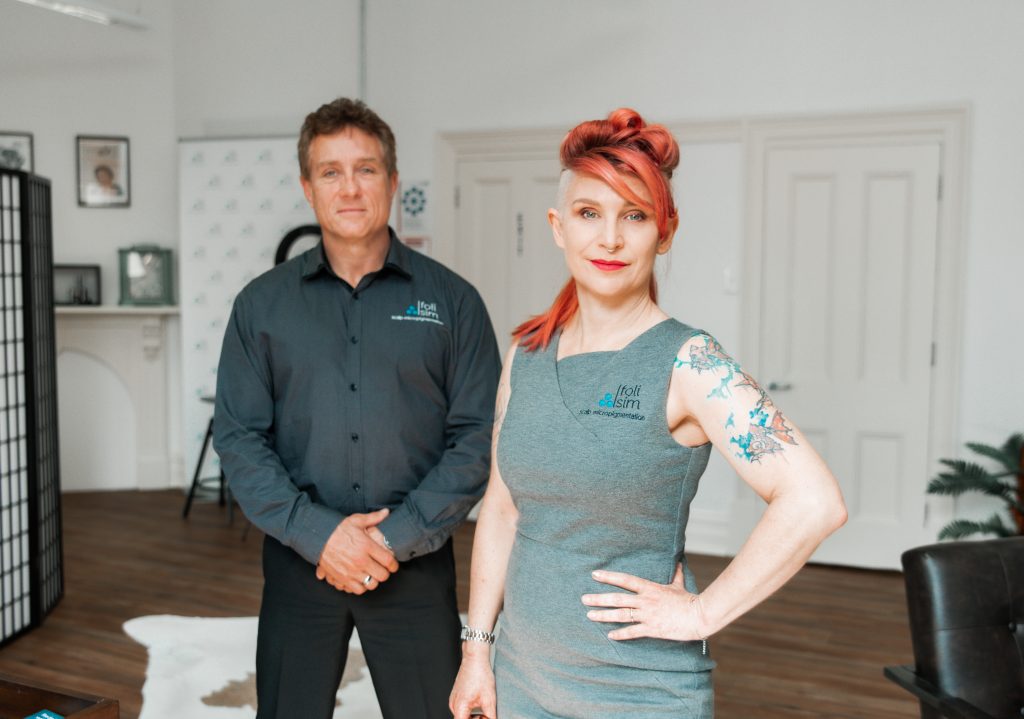
At Foli Sim, our lead practitioner completed a Diploma of SMP with a leading European specialist in 2012, then travelled to New York in 2017 for Master’s training with Matt Iulo of Scalp Micro USA. That level of formal, structured training matters because SMP technique (needle depth, pigment selection, dot replication) is genuinely complex. Ask any clinic you’re considering where their practitioners trained, for how long, and whether that training was assessed or simply attended.
If the practitioner is also a registered Trichologist, that’s meaningful. Trichology is the clinical study of the scalp and hair, and a practitioner with that background understands the biology of what they’re working on, not just the cosmetic outcome. Our founding practitioner is one of only four Trichologists registered with the International Association of Trichologists in Western Australia, and that clinical grounding shapes every session.
How to read a portfolio beyond the before-and-after photos
Every clinic has flattering photos taken in ideal lighting on the day of treatment. What tells you far more is how results hold up over time. Ask specifically to see healed results: images taken at least four to six weeks after the final session, in natural light, from multiple angles.
For the shaved look, which replicates the appearance of a closely cropped head of hair, examine the hairline closely. In Perth and across Australia, clients consistently prefer a soft, natural-looking hairline rather than a hard edge. If every portfolio image shows a rigid, overly defined line, that’s a signal the practitioner isn’t adapting their approach to what Australian clients actually want.
Also look at tone consistency across the scalp. Dots should be uniform in size and spacing, with no patchiness or blurring. Blurred dots usually indicate incorrect needle depth or pigment that has spread under the skin, both of which are difficult to correct later.
A good practitioner should be willing to connect you with a previous client for a reference. If that offer is never made and never available, take note.
What a proper consultation should include
A consultation is not a sales meeting. It should be a clinical conversation where the practitioner asks as much as you do. Be cautious of any clinic that quotes a price, books your first session and sends you on your way in under twenty minutes.
A thorough consultation will cover your scalp condition, skin type, existing hair colour and the look you want to achieve. The practitioner should explain that SMP is completed across 3 sessions, regardless of the extent of hair loss. This is non-negotiable for a result that’s layered, natural and long-lasting. Any clinic quoting fewer sessions should be questioned on why.
Pigment selection is another conversation worth having. The right tone should match your natural hair colour and complement your skin tone, both now and as you age. Ask how the clinic approaches pigment matching and what happens to the colour over time.
Pain management is a practical topic too. Most clients find SMP tolerable, but some prefer to take oral painkillers beforehand. Foli Sim can’t advise on medications: that’s a conversation to have with your doctor before your session.
The questions worth asking before you book
Go into any consultation with specific questions. Here’s what you should ask any SMP provider you’re seriously considering in Perth.
- Where did you train in SMP, and was that training formally assessed?
- How many SMP procedures have you completed?
- Can I see healed results in natural light, not just fresh treatment photos?
- How many sessions will my treatment require, and why?
- What pigments do you use, and how do they behave over time?
- What does the aftercare process involve, and what support is available between sessions?
The answers will tell you a great deal. Vague responses about sessions or pigments, reluctance to show healed work, or pressure to book quickly are all reasons to keep looking.
Scalp micropigmentation is sometimes called a hair tattoo in broader conversation. While the comparison captures something of the permanence, the technique is far more specialised. Choosing the right clinic isn’t about finding the closest pin on a map. It’s about finding a practitioner whose training, portfolio and approach give you genuine confidence before a single needle touches your scalp.
Frequently Asked Questions
How many SMP sessions will I need for a shaved-style result?
Scalp micropigmentation for a shaved look requires 3 sessions, regardless of the extent of hair loss. Each session builds on the last, creating depth, dimension and a natural finish. Any clinic suggesting fewer sessions is cutting the process short in a way that typically shows in the final result.
What credentials should a qualified SMP practitioner hold?
Look for a practitioner with a formal diploma or certification specifically in scalp micropigmentation, not a short introductory course. Additional qualifications in Trichology or clinical hair science are a strong indicator of deeper expertise. Ask where they trained, for how long, and whether the training involved assessed practical work rather than attendance alone.
What should healed SMP results look like?
Healed scalp micropigmentation should show consistent dot size and spacing across the scalp, with no blurring, patchiness or discolouration. Pigment that has spread or faded unevenly suggests incorrect needle depth or poor pigment quality. Always ask to see results photographed four to six weeks after the final session, in natural daylight.
Is scalp micropigmentation in Perth different from other locations?
The procedure itself is the same, but local client preferences do shape outcomes. In Perth and across Australia, clients typically want a soft, natural hairline rather than a hard or heavily defined edge. A practitioner experienced in working with Australian clients will factor this into their approach to hairline design and overall treatment planning.
Can I manage pain during an SMP session?
Most clients find scalp micropigmentation sessions very tolerable. Some choose to take oral painkillers before their appointment, though this is a personal decision that should be discussed with a doctor rather than the clinic. A qualified practitioner will also advise on topical aftercare between sessions to keep the scalp comfortable throughout the treatment process.
What should happen during my initial SMP consultation?
I treat the consultation as a clinical conversation, not a sales meeting. I ask about your scalp condition, skin type, existing hair colour and desired appearance, while explaining the treatment plan and pigment matching. I also want you to have time to ask questions before deciding whether to proceed.