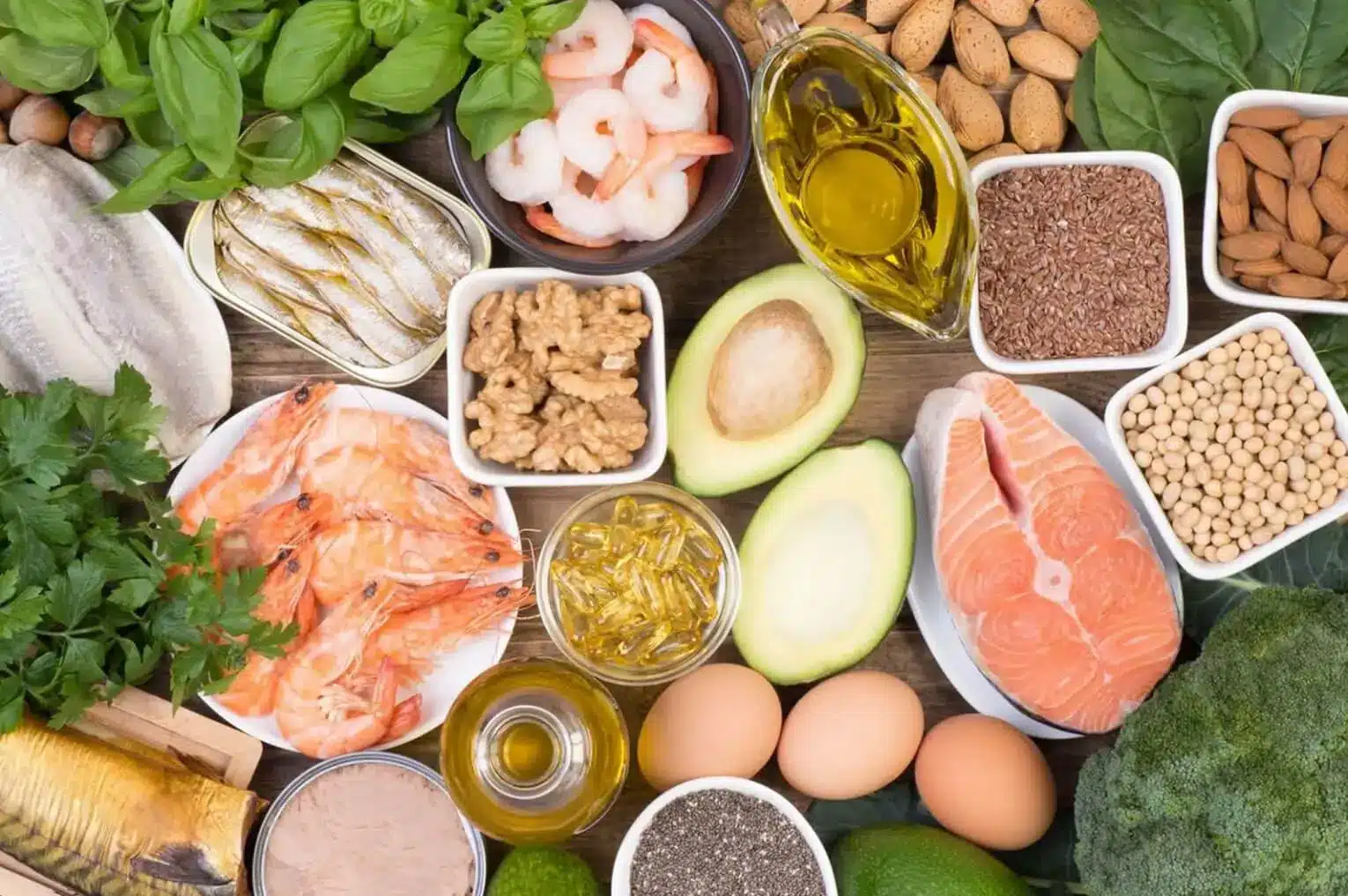
As we all know, some foods have more nutritional benefits than others, but did you know that particular foods are excellent for maintaining healthy hair growth and slowing the progress of thinning hair? Fortunately, most of the vitamins and minerals needed for healthy hair growth are found in food that can be easily incorporated into your diet.
Vitamin A
Vitamin A contains healthy sebum, which helps keep the scalp well-conditioned and healthy. A lack of vitamin A can lead to dry and itchy scalps.
Sources: carrots, sweet potatoes, tuna, pumpkins.
Vitamin B3
Also called niacin, this water-soluble vitamin increases blood flow and circulation, including to the scalp. This supports and maintains healthy hair follicles.
Sources: red meat, fish, dairy, almonds, celery, carrots.
Vitamin D
A little sunshine won’t do any harm! Vitamin D helps reduce shedding known as telovium effluvium, which is common for those with deficiencies in this vitamin. Plenty of healthy foods contain this vitamin too in case you feel like you aren’t getting enough.
Sources: sunshine, salmon, cheese, grains, liver.
Vitamin E
This wonderful vitamin contains plenty of antioxidants to improve blood circulation to the scalp and hair follicles, but it’s also great for nourishing nails, skin, and hair. Furthermore, vitamin E conditions hair and slows down ageing, so be sure to get plenty of this powerful vitamin.
Sources: almonds, avocados, spinach, sunflower seeds.
Omega-3 Fatty Acids
Our body naturally produces many of the nutrients we need to survive, but Omega-3 fatty acids are not amongst them. That’s why so many people are out looking for Omega-3 supplements to boost hair and scalp hydration amongst other benefits.
Sources: walnuts, tuna, salmon, avocados.
Amino Acids
Studies show a strong correlation between amino acid intake and healthy hair growth. Our body naturally produces only about half of the required amino acids, so we need to receive the remainder through a healthy diet.
Sources: beef, poultry, fish, dairy, leafy green vegetables, oats, seeds.
Biotin
This water soluble vitamin helps break down fat and sugars as well as convert food into energy. It is probably the single most important vitamin you can take for healthy hair growth, so if you’re going to pick just one to focus on, make it biotin. Your gut also produces Biotin, so take Probiotics to maintain a good gut microbiome. Beware that consuming raw egg whites will reduce Biotin absorption.
Sources: bananas, cauliflower, mushrooms, eggs, nuts, grains.
Zinc
A lack of zinc can lead to flaky scalps and heaps of dandruff, so it stands to reason that you will want to boost your zinc intake to keep your hair clean and healthy. Many foods containing zinc are quite tasty, so this shouldn’t be an issue!
Sources: meat, oysters, real chocolate, pumpkin seeds.
Manganese
Although manganese can be toxic at high levels, regular consumption of foods containing this mineral have been shown to improve hair health and to reduce thinning.
Sources: seafood, pumpkin seeds, nuts, legumes, hazelnuts.
Iron
Iron deficiencies are particularly common for women as they age, but anyone can suffer from an iron deficiency. One problem that arises is anaemia, which then leads to hair loss. The solution? Get plenty of red meat. If you’re a vegan, consume leafy green vegetables on the regular.
Sources: spinach, broccoli, red meat, egg (with yolks), kale, real chocolate.
Foli Sim
If you’re losing hair or your hair is gradually thinning, vitamins and minerals can help, but they often won’t prevent the inevitable. Alternative solutions such as Scalp Micropigmentation (SMP) from Foli Sim are gaining extreme popularity among people who experience hair thinning, as it helps to fill in density. Contact the team at Foli Sim today to request a free initial consultation at our Perth, Sydney or Melbourne studios.
Frequently asked questions
Which vitamin helps maintain a healthy scalp?
I recommend considering vitamin A because it contains healthy sebum, which helps keep the scalp well-conditioned and healthy. A lack of vitamin A can lead to a dry and itchy scalp. Foods listed as sources include carrots, sweet potatoes, tuna and pumpkins.
What foods contain vitamin D for hair health?
I can point you to sunshine, salmon, cheese, grains and liver as sources of vitamin D. Vitamin D helps reduce shedding known as telovium effluvium, which is common for people with deficiencies in this vitamin.
Why is biotin included in a hair-growth diet?
I include biotin because this water-soluble vitamin helps break down fat and sugars and converts food into energy. It is important for healthy hair growth. Sources include bananas, cauliflower, mushrooms, eggs, nuts and grains, while raw egg whites reduce biotin absorption.
Can omega-3 fatty acids support hair and scalp hydration?
I include omega-3 fatty acids because your body does not naturally produce them. You can use omega-3 supplements to boost hair and scalp hydration, among other benefits. Food sources include walnuts, tuna, salmon and avocados.
How can zinc affect the scalp?
I consider zinc relevant because a lack of zinc can lead to a flaky scalp and substantial dandruff. I recommend boosting zinc intake through foods such as meat, oysters, real chocolate and pumpkin seeds to help keep the hair clean and healthy.
Can iron deficiency contribute to hair loss?
You can suffer from an iron deficiency, although iron deficiencies are particularly common for women as you age. One problem that can arise is anaemia, which then leads to hair loss. Sources include spinach, broccoli, red meat, egg yolks, kale and real chocolate.